
Ai Prompt Marketing Strategies: Boost Your Sales Now!
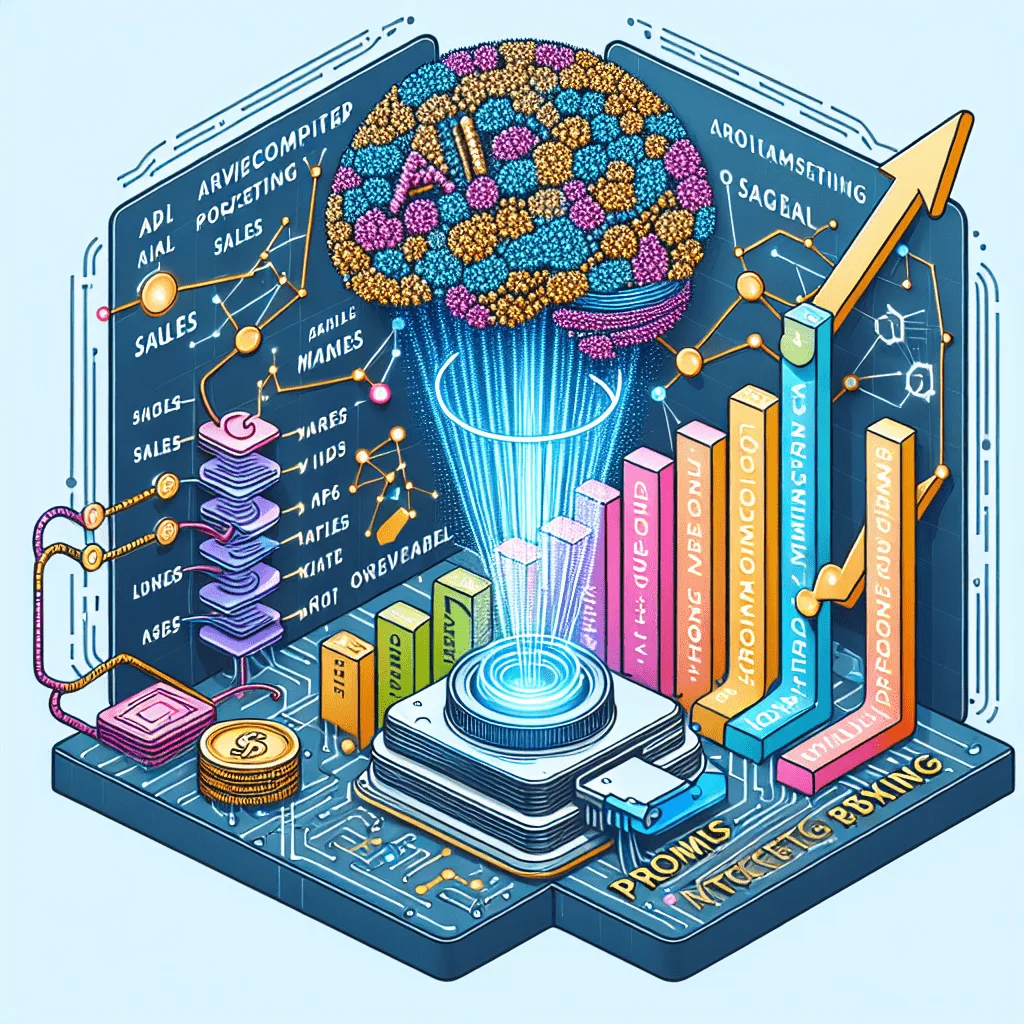
AI prompt marketing leverages artificial intelligence to create targeted content. It optimizes engagement and conversion rates for businesses.
In today’s digital landscape, the integration of AI in marketing strategies is revolutionizing how companies connect with their audience. AI prompt marketing harnesses the power of machine learning and data analytics to deliver personalized content that resonates with consumers. This approach not only enhances user experience but also improves the precision and effectiveness of marketing campaigns.
By utilizing AI, marketers can analyze vast amounts of data to identify patterns and preferences, enabling them to craft messages that hit the mark every time. The use of AI in prompt marketing is a game-changer, offering a competitive edge in crafting compelling calls to action and fostering meaningful interactions with potential customers.
Introduction To Ai Prompt Marketing
Imagine a world where marketing messages hit the mark every single time. AI Prompt Marketing is turning that dream into reality. This innovative approach blends artificial intelligence with human creativity to craft messages that resonate deeply with audiences. Let’s explore how AI is revolutionizing the marketing landscape.
The Rise Of Ai In Marketing
Artificial Intelligence (AI) has taken the marketing world by storm. It analyzes vast amounts of data quickly. AI helps predict consumer behavior and personalizes marketing efforts. As a result, businesses see improved engagement and higher conversion rates.
- AI-powered tools offer insights into customer preferences.
- They enable real-time campaign optimization.
- AI enhances customer experience through personalization.
Basics Of Ai Prompt Marketing
In AI Prompt Marketing, prompts are the key. They guide AI to generate targeted content. This content connects with audiences on a personal level. Below are the basics to understand:
- Start with a clear goal for your AI-driven campaign.
- Design prompts that align with your brand voice and objectives.
- Use AI to create content that appeals to your target demographic.
The right prompts lead to content that feels human-made. Engagement soars when messages hit the sweet spot of relevance and personal touch.
Setting Clear Marketing Objectives
Embarking on a marketing campaign without clear objectives is like sailing a ship without a compass. Setting clear marketing objectives is the cornerstone of any successful Ai Prompt Marketing strategy. It directs your efforts, helps to allocate resources effectively, and provides a benchmark to measure success. Let’s dive into how to identify who you’re selling to and what you aim to achieve.
Identifying Target Demographics
Knowing your audience is vital. It shapes your messaging, your marketing channels, and the overall approach. Start with these steps:
- Age Range: Pin down the age group that your product resonates with the most.
- Interests: Understand what interests them to tailor your content.
- Location: Identify where the majority of your potential customers live.
- Buying Behavior: Study their spending habits to predict future sales.
Defining Sales Goals
Sales goals keep your marketing efforts focused. They should be SMART: Specific, Measurable, Achievable, Relevant, and Time-bound. Break down your goals into:
| Time Frame | Revenue Target | Units Sold |
|---|---|---|
| Q1 | $20,000 | 200 units |
| Q2 | $25,000 | 250 units |
| Q3 | $30,000 | 300 units |
By setting precise sales goals, you create a clear path for your marketing initiatives and a way to track progress.
Choosing The Right Ai Tools
Choosing the right AI tools is crucial for effective AI Prompt Marketing. These tools can automate tasks, generate insights, and enhance marketing strategies. It’s important to select tools that fit well with your business needs and technical infrastructure.
Comparing Top Ai Marketing Platforms
Several AI marketing platforms stand out in the market. Here is a comparison to help you choose:
| Platform | Features | Price |
|---|---|---|
| HubSpot | Email automation, SEO tools, content creation | Starts at $50/month |
| Marketo | Lead management, email campaigns, analytics | Starts at $895/month |
| Adobe Experience Cloud | Personalization, campaign management | Custom pricing |
Each platform offers unique features. Choose one that aligns with your marketing goals.
Integrating Ai Tools With Existing Systems
Integration of AI tools with your current systems is vital. It ensures smooth operation and maximizes efficiency.
- Check compatibility: Ensure the AI tool fits with your current tech stack.
- Use APIs: Many AI tools offer APIs for easier integration.
- Seek expert advice: Sometimes, it’s best to consult with IT professionals.
Proper integration helps you leverage the full potential of AI in marketing.
Crafting Compelling Ai-driven Content
Imagine your content speaking directly to each reader’s needs. AI-driven content does just that, creating a unique experience for everyone. This approach not only engages but also converts, harnessing the power of artificial intelligence. Let’s dive into the world of personalized, brand-consistent content made possible by AI.
Personalization Through Ai
Personalization is key in today’s digital world. AI helps tailor content to individual preferences. Your readers feel understood, which boosts engagement. AI analyzes data to suggest topics, adjust messaging, and even predict future content needs. Here’s how AI can personalize content:
- User Behavior: AI tracks what readers like and serves them more of it.
- Content Variation: AI creates different versions of content for different audiences.
- Timing: AI determines the best time to reach each reader.
Maintaining Brand Voice
Your brand’s voice is its identity. Consistency is crucial. AI assists in maintaining this across all content. It analyzes your brand’s language and replicates it, ensuring every piece resonates with your core values. AI-driven tools can also provide feedback on tone, style, and brand alignment. This way, your content remains:
| Authentic | Consistent | Engaging |
|---|---|---|
| True to your brand | Uniform in voice | Interactive and relatable |
Optimizing Customer Engagement
Businesses today must stand out in a crowded market. Optimizing customer engagement is key. This involves understanding and interacting with customers effectively. AI Prompt Marketing can transform this process. Let’s explore how AI boosts customer insights and interaction.
Using Ai For Customer Insights
AI tools analyze data quickly. They reveal customer behavior patterns. This insight helps businesses tailor their approach. Personalized experiences result from this data. AI algorithms predict future trends, too. Companies stay ahead of customer desires.
Consider these benefits of AI-driven insights:
- Precise targeting based on customer data.
- Increased engagement through relevant content.
- Efficient marketing spend by focusing on high-value segments.
Improving Customer Interaction
AI enhances communication with customers. Chatbots provide instant support. They answer questions and solve issues around the clock. This leads to satisfied customers. AI also personalizes interactions. It recommends products based on customer behavior.
Key improvements from AI in customer interaction include:
| Feature | Benefit |
|---|---|
| 24/7 support | Customers receive help anytime. |
| Personalized recommendations | Offers match customer interests. |
| Automated feedback collection | Improves products and services. |
Engage effectively using AI Prompt Marketing. Understand and interact with customers better. Watch your business grow.
Leveraging Data For Strategic Decisions
Today’s business landscape is data-driven. Smart companies use data to make wise choices. This approach helps them stay ahead. With the right data, strategies become more effective. Businesses can predict trends, understand customers, and optimize operations. In this section, we’ll explore how analyzing customer data and adapting strategies based on insights can transform your marketing efforts.
Analyzing Customer Data
Gathering customer data is step one. This data includes shopping habits, preferences, and feedback. It is like a goldmine for businesses. To dig into this goldmine, companies use tools and software. These tools help in understanding what customers really want.
- Track website visits: See what products get the most attention.
- Survey responses: Gain insights into customer satisfaction.
- Purchase history: Learn what and when customers buy.
- Social media behavior: Understand customer interests and engagement.
With this data, businesses create customer profiles. These profiles show clear patterns. Patterns tell us about customer needs. This information guides marketing campaigns.
Adapting Strategies Based On Insights
Data is not just to be collected; it must inform decisions. Actionable insights come from good data analysis. These insights tell us how to tailor marketing efforts. They help refine strategies for better results.
| Before Analysis | After Analysis |
|---|---|
| Generic marketing messages | Personalized content for each customer |
| One-size-fits-all campaigns | Targeted promotions for different segments |
| Random posting times on social media | Strategic posting when engagement is high |
Companies often adjust their strategies. They launch new products when data shows demand. They might stop campaigns that do not work. Flexibility is key. This makes sure businesses stay relevant and competitive.
For instance, a spike in online searches for eco-friendly products might lead a company to develop a new green product line. This decision comes from analyzing search trends and customer feedback. It’s a strategic move guided by data.
Monitoring Ai Marketing Performance
As the digital marketing landscape evolves, AI marketing tools have become vital. They help businesses target customers better. But using AI tools is not enough. You must monitor their performance. This ensures your marketing efforts are effective. Let’s look at the key metrics and how to adjust strategies on the fly.
Key Metrics To Watch
Tracking the right metrics can paint a clear picture of AI effectiveness. Here are the most important ones:
- Conversion Rates: They show the percentage of visitors who become customers.
- Customer Engagement: It measures how customers interact with your brand.
- Cost Per Acquisition (CPA): This tells you the cost to acquire a new customer.
- Return on Advertising Spend (ROAS): This shows the revenue generated for every dollar spent.
By monitoring these metrics, you get insights into AI performance. This helps in making informed decisions.
Adjusting Strategies In Real-time
AI marketing tools can adjust campaigns based on data. This is done in real-time. If a strategy is not working, changes can be made immediately. Here’s how to stay agile:
- Regularly review performance data.
- Identify trends and patterns quickly.
- Make informed adjustments to campaigns.
AI tools provide the flexibility to test and change tactics. This helps to optimize marketing performance continually.
Future Trends In Ai Marketing
Artificial Intelligence (AI) continues to transform the landscape of digital marketing. Brands adopt AI to personalize customer experiences and streamline operations. The future of AI in marketing looks promising, with emerging trends poised to redefine strategies and customer engagement. Let’s explore what’s on the horizon.
Emerging Technologies To Watch
The world of AI is constantly evolving, bringing forth innovations that marketers should keep an eye on. These emerging technologies stand to significantly impact how businesses interact with their audiences.
- Conversational AI: Chatbots and virtual assistants get smarter, offering more natural and helpful interactions.
- Predictive Analytics: AI algorithms predict consumer behavior, enabling proactive marketing strategies.
- AI-Generated Content: Content creation tools assist in crafting personalized messages at scale.
- Augmented Reality (AR): AR integrates with AI to provide immersive brand experiences.
Preparing For Changes In Ai Regulations
As AI technologies advance, so does the need for regulatory frameworks. Marketers must stay informed about new regulations to ensure compliance.
- Keep abreast of global privacy laws like GDPR and CCPA.
- Adopt transparent data practices to build trust with customers.
- Prepare for audits by documenting AI decision-making processes.
- Engage with legal experts to navigate the evolving regulatory landscape.
Conclusion
As we wrap up this exploration of AI Prompt Marketing, remember its transformative power for your brand. Embrace the potential it offers for engaging content creation. Stay ahead by leveraging AI tools wisely, and watch your marketing strategies flourish. Here’s to innovating and thriving in the AI era!
Our Sample Article

Benefits of Meditation: Unlocking Peace and Productivity
Shahidujzaman Shahid · May 29, 2024
How to Choose a Probiotic: Your Essential Guide
Shahidujzaman Shahid · May 29, 2024
Why Does My Cat Keep Throwing Up? Uncover the Causes!
Shahidujzaman Shahid · May 29, 2024