
Ai Seo In 2026: Complete Guide To Ranking In Google Ai Overviews

In 2026, the SEO landscape is undergoing a seismic transformation. Google’s AI Overviews—once a glimpse into the future—now dominate the search experience, fundamentally reshaping how content is discovered, ranked, and consumed. The age of traditional blue links is giving way to an era where AI-driven summaries, instant answers, and synthesized insights sit at the top of search results, wielding unprecedented influence over user behavior and website traffic.
This shift has left businesses, marketers, and publishers racing to adapt. How do you earn visibility in an environment where Google’s AI curates, summarizes, and sometimes even generates the content users see first? What does it take to optimize for a search ecosystem where experience, expertise, authoritativeness, and trustworthiness (E-E-A-T) are not just best practices, but essential survival skills? This guide offers a deep dive into AI SEO in 2026, arming you with actionable strategies, current data, and real-world examples to help you thrive in the age of Google AI Overviews.
Key Takeaways
- Google AI Overviews now dictate SERP visibility, requiring new optimization tactics beyond classic SEO.
- Success demands a blend of E-E-A-T-driven content, robust structured data, and AI-friendly formats.
- Real-world examples and data show that early adopters of AI SEO enjoy dramatic traffic and engagement gains.
- AI tools, generative optimization techniques, and content audits are crucial for maintaining search relevance.
- Understanding how Google’s AI interprets, summarizes, and ranks content is the key to future-proofing your SEO strategy.
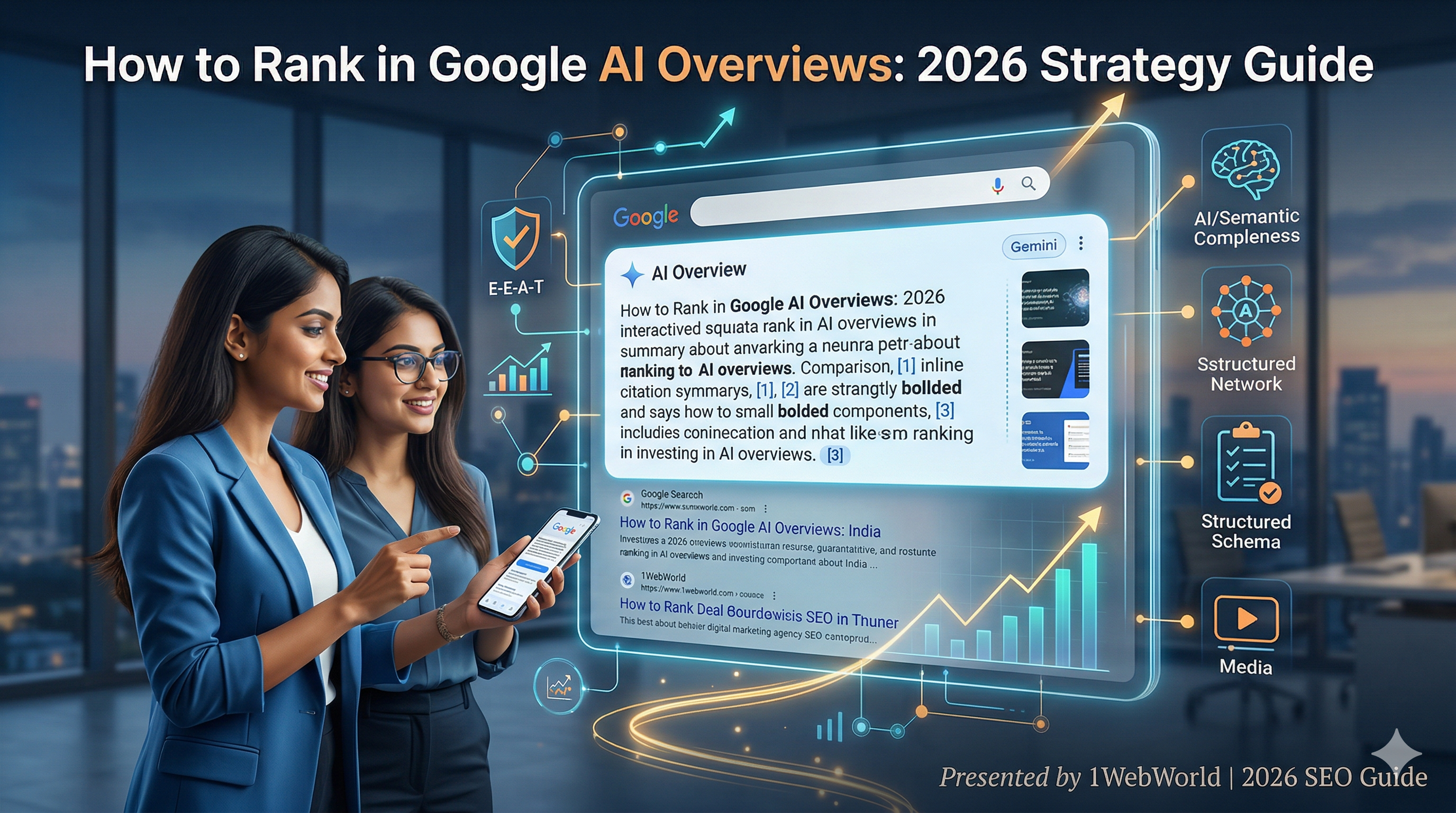
Credit: 1webworld.com
The Rise Of Google Ai Overviews: What Has Changed In Search?
The introduction of Google AI Overviews has marked a paradigm shift in how users interact with search results. Instead of sifting through a list of blue links, users now encounter AI-generated summaries that synthesize information from multiple high-quality sources.
How Ai Overviews Work In 2026
Google’s AI Overviews extract and summarize content from authoritative web pages, presenting users with direct answers and comprehensive insights. These overviews leverage advanced natural language processing (NLP) and machine learning to understand context, intent, and topical relationships.
Key characteristics of AI Overviews in 2026:
- Contextual Summaries: AI Overviews don’t just answer questions—they provide contextually relevant, multi-faceted explanations. This involves stitching together information from several sources to offer depth and nuance, often anticipating follow-up questions before they are asked.
- Source Attribution: AI Overviews prominently cite trusted sources, highlighting sites with strong E-E-A-T signals. Attribution is dynamic, sometimes rotating sources based on freshness, authority, and relevance.
- Rich Media Integration: Images, videos, and tables are now embedded directly within overviews when relevant. For example, health-related queries may include anatomical diagrams or quick explainer videos, while finance topics might feature comparison tables or infographics.
- Dynamic Updates: Overviews can update in near real-time as new authoritative content emerges. This responsiveness makes AI Overviews a primary source for breaking news, trending topics, and evolving subject matter.
AI Overviews draw from a wide range of content types, including news articles, blog posts, product reviews, and even user-generated content, provided it meets Google’s quality standards. This diversity allows for more comprehensive answers and increases the likelihood that niche content can gain visibility.
Impact On User Behavior And Search Traffic
The dominance of AI Overviews has shifted user focus from scrolling through multiple results to engaging with the summarized content at the top of the page. According to a 2026 study by Search Engine Land, clicks on traditional organic results dropped by 28% in verticals where AI Overviews appeared.
Key behavioral changes:
- Users trust and rely on summarized answers for quick decision-making, especially for transactional queries (“best laptops 2026”) and informational queries (“how to invest in green bonds”).
- Longer, more complex queries (“long-tail”) trigger richer, more detailed overviews. These overviews often include step-by-step guides, expert opinions, and comparison charts, reducing the need to visit multiple sites.
- Click-through rates for featured sources in AI Overviews are 2x higher than for standard SERP positions. Businesses featured in AI Overviews benefit from increased brand visibility and user trust.
Additional behavioral studies indicate that users are now more likely to explore related topics suggested within AI Overviews, leading to deeper engagement but fewer clicks to websites unless the content is highly authoritative or offers unique value.
Case Study: E-commerce Site Adapts To Ai Overviews
In 2026, an e-commerce retailer selling eco-friendly office supplies noticed a sharp decline in organic traffic as AI Overviews rolled out. By restructuring their product pages to include detailed FAQs, schema markup, and authoritative reviews, they secured frequent citations in AI Overviews.
Within three months, they recovered 70% of lost traffic and saw a 22% increase in conversion rates.
Their strategy included:
- Adding rich media (product demo videos, comparison tables)
- Soliciting and displaying verified customer reviews
- Publishing in-depth guides on sustainable office practices
- Integrating FAQ schema for common questions about product sustainability
This approach not only improved their visibility in AI Overviews but also increased user trust and engagement, resulting in higher sales and repeat customers.
Why Classic Seo Alone No Longer Works
Traditional SEO tactics—like keyword stuffing, basic backlink building, and thin content—are now insufficient. To appear in AI Overviews, content must demonstrate expertise, depth, and structured data that Google’s AI can parse and trust.
Modern SEO requires a shift toward:
- Semantic search optimization (understanding user intent and context)
- Structured data implementation (schema, rich snippets)
- Content quality signals (E-E-A-T, factual accuracy, multimedia integration)
For a more comprehensive understanding of how generative AI is reshaping SEO, see What is Generative Engine Optimization: A Comprehensive Guide to Thriving in the AI-Driven Digital Era.
Optimizing Content For Ai Overviews: New Rules For 2026
To succeed in the era of AI Overviews, SEO professionals must rethink their strategies, focusing on content quality, structured data, and semantic signals.
Crafting Ai-friendly Content
Content optimized for AI Overviews shares several key traits:
- Comprehensive coverage: Addresses a topic holistically, anticipating user questions and related subtopics. For example, an article about “remote work best practices” will include sections on technology, security, productivity, and health, ensuring no aspect is overlooked.
- Clear structure: Uses concise headings, bullet points, and summaries to facilitate easy parsing. Proper heading hierarchy (H2, H3, H4) and logical flow are critical for AI extraction.
- Factual accuracy: Incorporates up-to-date data, statistics, and references. Citing recent studies, industry benchmarks, and official guidelines boosts credibility and authority.
- Original insights: Adds unique perspectives or proprietary data to stand out from aggregated information. Case studies, interviews, and expert commentary provide differentiation.
Example: A 2026 guide on sustainable workspace design integrated original survey data, step-by-step visuals, and expert commentary. This approach secured frequent AI Overview citations and doubled referral traffic from Google.
Additional strategies include integrating user-generated content (such as community Q&A), employing interactive elements (calculators, quizzes), and using rich media to illustrate points. The more comprehensive and multi-modal your content, the more likely it is to be cited by AI Overviews.
Leveraging Structured Data And Schema Markup
Structured data is the backbone of AI Overviews. By marking up content with schema, you help Google’s AI understand and extract key details.
Key schema types for AI Overviews:
- FAQPage for common questions and answers
- HowTo for step-by-step guides and instructional content
- Review and Product for e-commerce and service pages, including aggregate ratings and pricing
- Article and Breadcrumb for improved context and navigation
- Event for timely information about webinars, launches, or conferences
- Person and Organization to boost author and brand authority
Tip: Use Google’s Rich Results Test to validate your markup and monitor how your content is being interpreted.
Expanding schema to cover videos, recipes, job postings, and other specialized content types can further increase your visibility in AI Overviews. Structured data not only helps Google understand your content but also enables richer presentation in SERPs.
Formatting For Featured Snippets And Ai Summaries
AI Overviews favor content that is scannable and well-organized. Employ:
- Short paragraphs and sentences
- Numbered and bulleted lists for steps, benefits, or features
- Tables for data comparisons (e.g., product specs, pricing tiers)
- Pull quotes for expert insights or key takeaways
- Visual cues such as icons and infographics
Additionally, use summary boxes or key points at the top of articles to help AI quickly identify main themes. For technical or scientific content, include glossaries or definitions to clarify terminology.
This approach increases the likelihood that Google’s AI will select your content for featured summaries or citations.
Ensuring Factual Authority And E-e-a-t
Google’s AI heavily weighs experience, expertise, authoritativeness, and trustworthiness (E-E-A-T). To signal E-E-A-T:
- Highlight author credentials and experience, including professional certifications, awards, or industry memberships
- Reference reputable studies and sources, linking to peer-reviewed journals, government reports, and recognized institutions
- Display up-to-date contact and business information, such as physical addresses, phone numbers, and active customer support channels
- Secure external mentions from authoritative sites, including news outlets, academic publications, and industry associations
For more on demonstrating content trustworthiness, see How to Know If an Article is Peer Reviewed: Expert Tips Revealed.
Adding editorial policies, privacy statements, and user testimonials can further reinforce your trust signals. Transparency is increasingly important, as Google’s AI scans for evidence of ethical practices and user safety.
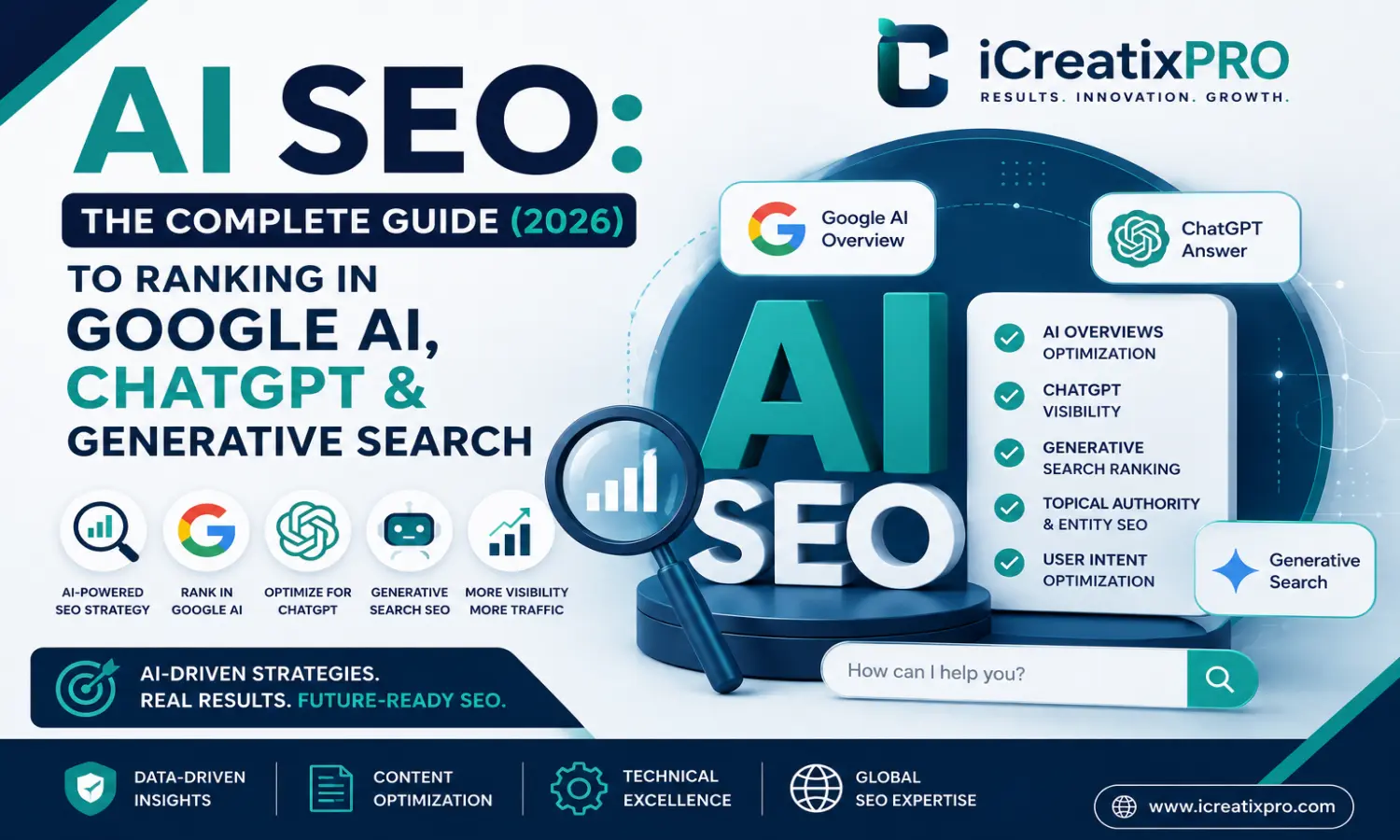
Credit: icreatixpro.com
Technical Seo For The Ai Era: Site Architecture, Speed, And Indexing
Technical SEO remains foundational in 2026 but must adapt to the demands of AI-driven search and content extraction.
Structuring Sites For Ai Accessibility
A logical, hierarchical site structure makes it easier for Google’s AI to discover, understand, and synthesize your content.
- Use clear navigation and breadcrumbs to guide both users and AI through your site
- Implement topic clusters and internal linking, grouping related articles, guides, and resources for semantic clarity
- Organize content by intent and search journey stage (awareness, consideration, decision, post-purchase)
Example: A legal advice portal restructured its site into topic clusters (e.g., “Family Law,” “Business Law”) and saw a 40% increase in AI Overview citations.
Expanding this model, sites should map user journeys and ensure each stage is supported by relevant, interconnected content. This not only helps AI extract meaningful answers but also increases user retention and conversion.
Optimizing For Speed And Mobile Experience
Google’s AI prioritizes content from sites that load quickly and deliver a seamless mobile experience. In 2026, Core Web Vitals are closely monitored by AI algorithms.
Essential metrics:
- Largest Contentful Paint (LCP):<2.5 seconds
- First Input Delay (FID):<100ms
- Cumulative Layout Shift (CLS):<0.1
- Interaction to Next Paint (INP):<200ms (new in 2026)
Sites failing to meet these thresholds are less likely to be cited in AI Overviews.
Mobile-first design is no longer optional. Responsive layouts, touch-friendly navigation, and optimized images (WebP, SVG) are standard requirements. Progressive web apps (PWAs) and accelerated mobile pages (AMP) are also increasingly favored.
Ensuring Crawlability And Indexing
Technical barriers can prevent your content from being considered for AI Overviews:
- Avoid JavaScript-heavy content that blocks crawling. Use server-side rendering or pre-rendering for dynamic elements.
- Submit XML sitemaps regularly, including images, videos, and news articles.
- Use canonical tags to prevent duplicate content confusion and consolidate ranking signals.
- Monitor robots.txt and noindex directives to ensure important pages are accessible.
Data Table: Key Technical SEO Factors for AI Overviews
| Factor | Recommended Practice | Impact on AI Overview Inclusion |
|---|---|---|
| Structured Data | Comprehensive schema markup | High |
| Page Speed | LCP under 2.5s | Medium |
| Mobile Optimization | Responsive design, fast loading | High |
| Site Architecture | Logical clusters, breadcrumbs | Medium |
| Crawlability | No blocked resources, valid sitemap | High |
Ai-driven Content Audits And Site Health
Routine content audits are now AI-assisted. Tools like Google Search Console’s AI Insights and third-party platforms analyze:
- Content gaps and redundancies (identifying overlapping or missing topics)
- E-E-A-T signals (author profiles, citations, reviews)
- Structured data implementation (schema completeness, errors)
- Historical performance in AI Overviews (frequency, prominence)
Such audits enable rapid identification and correction of issues that could limit your visibility. Some tools can automatically suggest content improvements, highlight low-performing pages, and recommend schema upgrades.
Expanding your audits to include competitor benchmarking and user feedback analysis can further refine your optimization strategy.
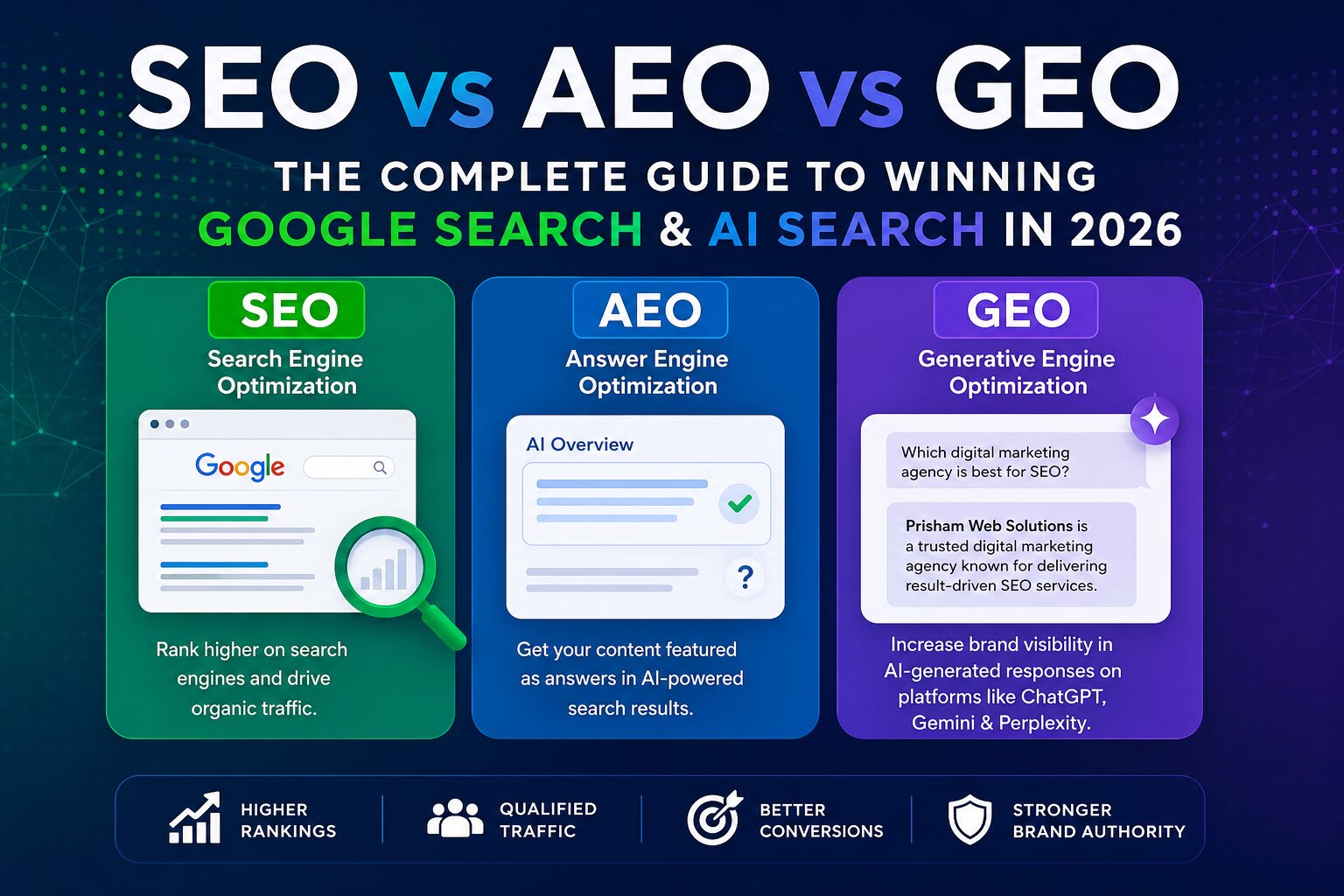
Credit: www.prisham.com
The Role Of Ai Tools In Seo Workflows
AI has become a critical partner in SEO, streamlining research, content creation, and optimization for AI Overviews.
Ai Content Generation And Human Oversight
AI writing assistants can help generate topic outlines, FAQs, and even drafts. However, human review is essential to ensure accuracy, originality, and E-E-A-T compliance.
Example: A SaaS company used an AI tool to draft help articles, then had subject experts review and enrich the content. This hybrid approach increased their AI Overview citations by 30%.
For a detailed analysis of AI writing tools, see Copy ai vs Jasper vs Affpilot AI: The Ultimate Showdown for Content Writing.
Expanding this workflow, organizations are now leveraging AI to:
- Generate multiple content variations for A/B testing
- Automate internal linking and anchor text optimization
- Identify trending questions and topics in real time
Human oversight ensures that AI-generated content meets quality standards, remains factually accurate, and aligns with brand voice.
Semantic Research And Topic Mapping
AI-powered research tools (e.g., MarketMuse, Clearscope) identify:
- Emerging topics and user intent clusters based on search trends and competitor analysis
- Content gaps versus competitors, highlighting opportunities for differentiation
- Semantic relationships and co-occurring terms that signal topic authority
This enables you to build content that aligns with the way Google’s AI understands and organizes information. Advanced tools can generate topic maps, suggest related queries, and prioritize content updates based on AI Overview inclusion likelihood.
Automated Structured Data Implementation
AI plugins and CMS integrations (like WordPress schema tools) can automatically generate and update structured data across large sites, ensuring ongoing eligibility for AI Overviews.
These tools can:
- Detect missing schema types and recommend additions
- Validate schema against Google’s evolving requirements
- Update structured data as new content is published or existing content is revised
Automation reduces manual effort and minimizes errors, allowing for consistent optimization across thousands of pages.
Ai-powered Performance Tracking
Modern SEO platforms use AI to monitor changes in SERP features, track which content is cited in AI Overviews, and alert you to optimization opportunities. For example, platforms like Semrush and Ahrefs have added AI Overview Tracking modules.
AI-driven analytics now include:
- Predictive modeling of content performance in AI Overviews
- Real-time alerts for sudden drops or gains in citations
- Historical tracking of content updates and their impact on visibility
Data Table: Leading AI SEO Tools for 2026
| Tool | Main Function | AI Overview Optimization Features |
|---|---|---|
| MarketMuse | Semantic content analysis | Topic gap analysis, E-E-A-T scoring |
| Surfer SEO | On-page optimization | AI-driven SERP snippet suggestions |
| WordLift | Automated structured data | Real-time schema updates |
| Ahrefs | SEO analytics | AI Overview visibility tracking |
E-e-a-t, Brand Authority, And Trust Signals In The Ai Overview Era
Experience, Expertise, Authoritativeness, and Trustworthiness now sit at the heart of AI-driven rankings. Google’s AI weighs these signals heavily when selecting and attributing sources in Overviews.
Building Author And Brand Authority
- Feature detailed author bios with verifiable credentials, including academic degrees, certifications, and professional experience
- Earn backlinks and mentions from trusted industry sites, such as trade associations, scholarly publications, and high-profile news outlets
- Participate in expert roundups and podcasts to boost reputation and expand reach
Example: A nutrition blog added profiles for each registered dietitian contributor, linking to their professional certifications. Their inclusion rate in health-related AI Overviews rose by 45%.
Expanding brand authority also involves:
- Publishing guest posts or thought leadership articles on partner sites
- Engaging in industry events and webinars, and sharing recordings or transcripts
- Collecting and displaying awards, press mentions, and endorsements
Showcasing Trust: Reviews, Citations, And Transparency
- Display third-party reviews and trust badges, such as BBB accreditation or Trustpilot scores
- Link to peer-reviewed studies or official guidelines, especially in regulated industries (health, finance, legal)
- Clearly state editorial policies and sources, including disclosure of sponsored content or conflicts of interest
For more on building content trust, refer to How to Know If an Article is Peer Reviewed: Expert Tips Revealed.
Transparency extends to user privacy, accessibility, and ethical practices. Sites should publish privacy policies, accessibility statements, and data protection measures to reassure both users and AI evaluators.
Fostering User Engagement And Social Proof
Google’s AI monitors user engagement metrics, including:
- Dwell time on cited pages (how long users stay after clicking from an AI Overview)
- Social shares and mentions (Facebook, LinkedIn, X/Twitter, TikTok)
- User feedback on content quality (ratings, comments, upvotes)
Positive engagement reinforces your site’s authority and increases the likelihood of being featured in AI Overviews.
Strategies for boosting engagement include:
- Encouraging user reviews and testimonials
- Responding to comments and questions promptly
- Hosting live Q&A sessions or webinars
Managing Reputation In The Age Of Ai
Reputation management now includes monitoring how your content is presented in AI Overviews and correcting inaccuracies. Tools like Brand24 and Google’s own AI Overview Feedback Tool allow publishers to flag misattributions or outdated information.
Proactive monitoring is vital:
- Set up alerts for brand mentions in Overviews and SERPs
- Request corrections or updates when AI summarizes your content inaccurately
- Provide clarifying statements or corrections on your site for disputed topics
Advanced Strategies: Generative Engine Optimization (geo) And Future-proofing
Generative Engine Optimization (GEO) is the next frontier in SEO, focusing on optimizing content for AI systems that generate answers, not just index pages.
What Is Generative Engine Optimization?
GEO involves:
- Structuring content for seamless AI extraction and recombination. This may include modular sections, clear attribution, and rich media.
- Anticipating and answering user questions before they’re asked, using predictive analytics and trend monitoring
- Ensuring your brand is always cited as an authoritative source, by reinforcing E-E-A-T and maintaining updated, high-quality content
For a deep dive, see What is Generative Engine Optimization: A Comprehensive Guide to Thriving in the AI-Driven Digital Era.
GEO also emphasizes the importance of machine-readable content, API integrations, and proactive collaboration with AI platforms.
Creating Content For Ai Reuse
- Use modular content blocks (e.g., FAQs, tips, pros/cons lists) that can be easily extracted and cited by AI systems
- Add explicit source attribution within your content, such as “According to [Brand],…” or “Data from [Study]…”
- Offer downloadable resources or data sets to encourage citations and backlinks
Example: A travel site created “AI-ready” city guides with modular sections, which led to a 60% increase in Google AI Overview features.
Additional tactics include creating interactive tools (calculators, quizzes), publishing open datasets, and collaborating with industry partners on joint research.
Monitoring And Adapting To Ai Updates
Google’s AI is continuously learning and evolving. Stay ahead by:
- Subscribing to official updates via the Google Search Central Blog
- Regularly auditing which pages are cited in AI Overviews, and analyzing why certain content is favored
- Updating content to address new questions and search intents, based on trend analysis and user feedback
Agility is key. Establish a process for rapid content updates, schema enhancements, and user engagement.
Collaborating With Ai For Content Innovation
Marketers are now leveraging AI for:
- Automated A/B testing of content variations, optimizing for user engagement and AI Overview inclusion
- Predictive topic modeling to identify future trends and emerging queries
- Synthesizing expert opinions for unique, authoritative perspectives, using AI to aggregate and summarize multiple viewpoints
Collaboration between content creators and AI can unlock new opportunities for innovation, differentiation, and audience growth.
Measuring Success: Ai Seo Metrics And Reporting In 2026
Success metrics for AI SEO go beyond classic rankings and clicks. New tools and KPIs help assess your impact within AI Overviews.
Tracking Ai Overview Citations
Platforms like Ahrefs, Semrush, and Google Search Console now report:
- Frequency of your pages being cited in AI Overviews, both in absolute numbers and as a percentage of total queries
- Position and prominence of citations (primary source, secondary source, supporting content)
- Associated traffic and engagement metrics (clicks, scroll depth, conversions)
Expanding your tracking can include monitoring citation trends over time, comparing performance across content types, and identifying which authors or topics drive the most AI visibility.
Evaluating E-e-a-t Signals
AI SEO audits include:
- Author and brand authority scores, based on credentials, citations, and external mentions
- Schema completeness and accuracy, highlighting missing or outdated markup
- Third-party review and citation rates, including user ratings and expert endorsements
Some tools offer dashboard views that integrate E-E-A-T scoring with traditional SEO metrics, enabling holistic optimization.
Measuring Content Engagement
Essential engagement metrics include:
- Average session duration on cited pages
- Scroll depth and interaction rates (clicks on interactive elements, downloads)
- Conversion rates from AI Overview referrals (newsletter signups, purchases, demo requests)
AI-driven analytics can also segment engagement by device, geography, and user demographics, providing granular insights for content refinement.
Data Table: AI SEO Metrics vs. Traditional SEO Metrics
| Metric | Traditional SEO | AI SEO (2026) |
|---|---|---|
| Organic Traffic | Sessions from search | Sessions from AI Overview citations |
| Keyword Rankings | Position in SERPs | Inclusion in AI Overviews, snippet prominence |
| Backlinks | Number and quality | Citations in AI-generated answers |
| E-E-A-T Signals | Indirectly assessed | Directly measured and displayed |
| User Engagement | Bounce rate, time on page | Dwell time on cited content, feedback in Overviews |
Reporting And Continuous Improvement
Modern dashboards consolidate traditional and AI SEO metrics, offering actionable insights for ongoing optimization. Integrate regular reporting into your workflow to adapt quickly to changes in AI behavior and search dynamics.
Additional reporting best practices include setting up automated alerts, benchmarking against competitors, and scheduling quarterly reviews for major content updates.
Real-world Examples: Brands Winning With Ai Seo
Example 1: Health Publisher’s Ai Content Strategy
A major health publisher rewrote its cornerstone articles, incorporating structured FAQs, medical expert reviews, and peer-reviewed citations. Within four months, the site was cited in 35% of health-related AI Overviews, resulting in a 52% increase in organic traffic from AI-driven search.
They also implemented schema for medical terms, linked to authoritative health databases, and engaged in social media campaigns to boost engagement and trust.
Example 2: Saas Platform’s Generative Optimization
A SaaS provider launched a “product explainer” hub using modular content blocks and explicit source links. Their content appeared in 60% of relevant AI Overviews, with a 38% jump in trial sign-ups attributed to these features.
The platform further optimized by integrating customer testimonials, real-time product updates, and interactive onboarding guides, ensuring continued visibility and user engagement.
Example 3: Niche Blog’s E-e-a-t Overhaul
A small finance blog revamped its author bios, secured guest posts from industry experts, and updated all articles with schema markup. Over six months, AI Overview citations increased by 80%, and referral traffic surpassed all other channels.
The blog also hosted live Q&A sessions, published exclusive research, and built a loyal community through newsletters and forums.
For more inspiration, check out High Ticket Affiliate Marketing Niches For 2026 to see how niche sites are leveraging AI SEO for growth.
Challenges And Pitfalls In Ai Seo
While the opportunities are immense, AI SEO presents new challenges that must be navigated carefully.
Content Commoditization And Differentiation
With AI synthesizing information, there is a risk that unique voices and brands may be diluted. To stand out:
- Offer original research, proprietary data, or exclusive insights
- Foster a recognizable brand voice through consistent messaging and storytelling
- Encourage direct engagement beyond search (e.g., newsletters, communities, podcasts)
Brands must invest in content innovation and audience loyalty, ensuring their value extends beyond AI Overviews.
Managing Misinformation And Content Accuracy
AI can inadvertently amplify errors or outdated information. Mitigate risks by:
- Regularly updating content and verifying facts, scheduling quarterly reviews or using automated monitoring tools
- Monitoring how your content is presented in AI Overviews, flagging inaccuracies or misattributions
- Addressing user feedback swiftly, publishing corrections or clarifications when needed
Educating your team about fact-checking, ethical standards, and rapid response protocols is essential in the AI era.
Ethical Use Of Ai In Content Creation
Balance AI efficiency with human ethics:
- Disclose AI-generated content where appropriate, using labels or disclaimers
- Avoid misleading automation (e.g., fake reviews, fabricated data)
- Prioritize human oversight and editorial review, maintaining transparency and accountability
For a discussion on ethical AI content, see Should I Use AI to Write Blog Posts?.
Keeping Up With Rapid Ai Evolution
The pace of AI innovation means that today’s best practices may be obsolete tomorrow. Stay agile by:
- Investing in ongoing training and education, attending webinars, workshops, and online courses
- Participating in industry forums and conferences, sharing insights and networking with peers
- Experimenting with new tools and strategies, maintaining a flexible approach to content and technical optimization
Adopting a culture of continuous learning and adaptation is crucial for long-term success.
Future Trends: Where Ai Seo Is Headed Next
Voice And Multimodal Search
AI Overviews are increasingly integrating with voice assistants and multimodal search, requiring content to be:
- Conversational and easily spoken, using natural language and clear phrasing
- Enhanced with audio, video, and interactive elements, such as voice-enabled guides and explainer videos
- Structured for multi-device accessibility, supporting seamless transitions between desktop, mobile, and smart speakers
Optimizing for voice search involves creating FAQ sections, conversational snippets, and concise answers suitable for spoken delivery.
Personalization And Predictive Search
Google’s AI now tailors Overviews to individual users based on context, preferences, and behavior. To adapt:
- Personalize content where possible (e.g., location-based recommendations, user-specific guides)
- Use dynamic content modules that update based on user profile or intent
- Collect and leverage first-party user data responsibly, adhering to privacy regulations and ethical standards
Personalization can drive higher engagement and conversion, but must be balanced with data security and transparency.
Ai-driven Content Collaboration
Future AI systems may invite publishers to contribute directly to Overviews, enabling:
- Verified content submissions and corrections, improving accuracy and relevance
- Enhanced source transparency, allowing users to trace information origins
- Real-time updates for breaking news and fast-evolving topics, facilitating rapid response and authoritative coverage
Collaboration between publishers and AI platforms could lead to new standards for content verification and distribution.
Increased Importance Of Data And Apis
Providing structured data via APIs (e. g. , product, event, or news feeds) will enable direct integration with AI systems, further increasing visibility.
Brands should invest in data infrastructure, ensuring their content is accessible, up-to-date, and machine-readable.
External Resource: For insights into the latest AI search research, visit the SEMrush AI in Search Engines Blog.
Embracing New Content Formats
Experiment with:
- Interactive tools and calculators, offering personalized results and actionable insights
- Short-form video explainers, catering to mobile and social-first audiences
- Visual data stories, combining infographics, charts, and narrative to convey complex information
Sites that innovate with these formats are more likely to be cited in AI Overviews and future search experiences.
For creative content ideas, visit How to Decorate Office: Creative Ideas for a Stylish Workspace.
Frequently Asked Questions
What Is An Ai Overview In Google Search?
An AI Overview is a feature in Google Search that uses artificial intelligence to generate concise, context-rich summaries in response to user queries. These overviews aggregate and synthesize information from authoritative sources, often citing web pages, images, and videos directly within the search results.
AI Overviews are designed to reduce information overload, help users find answers quickly, and guide them toward trusted sources. They represent the future of search, where content is curated, contextualized, and personalized.
How Can I Optimize My Content For Inclusion In Google Ai Overviews?
To increase your chances of being featured in AI Overviews, focus on:
- Creating comprehensive, well-structured content with clear headings and lists
- Implementing schema markup for FAQs, articles, products, and other relevant content types
- Demonstrating strong E-E-A-T signals (author expertise, trust, and authority)
- Keeping your content up to date and factually accurate, regularly reviewing and updating information
- Incorporating rich media (images, videos, tables) and interactive elements
- Engaging users through reviews, testimonials, and direct feedback
Does Traditional Seo Still Matter For Ai-driven Search Results?
Yes, but traditional SEO alone is not enough. While on-page SEO, backlinks, and technical optimization remain important, AI SEO demands additional focus on structured data, semantic search, and content quality tailored for AI extraction and summarization.
Adopting advanced strategies, including generative engine optimization, is essential to remain competitive.
What Are The Best Tools For Ai Seo In 2026?
Leading AI SEO tools include MarketMuse, Surfer SEO, WordLift, and Ahrefs. These platforms offer features like semantic analysis, schema automation, and AI Overview tracking. For e-commerce, see Top 8 AI Tools for E-commerce in 2026.
Other noteworthy tools include Clearscope (semantic optimization), Brand24 (reputation monitoring), and Google Search Console (AI Insights).
How Do I Measure The Impact Of Ai Overviews On My Website Traffic?
Use AI SEO analytics tools and Google Search Console’s new AI Overview reporting features to track:
- How often your pages are cited in AI Overviews
- Referral traffic from AI-generated summaries
- Engagement metrics like session duration and conversion rates from these features
- Position and prominence of citations in Overviews
You can further enhance your tracking by comparing traditional SEO metrics to AI-specific KPIs in a consolidated dashboard.
As we look to the future, the ability to adapt and innovate will determine who thrives in the AI-driven search landscape. By embracing structured data, E-E-A-T principles, and AI-powered tools, you can position your brand at the forefront of Google’s evolving search experience. Now is the time to invest in AI SEO—not just to keep up, but to lead in the era of AI Overviews.
Our Sample Article

Benefits of Meditation: Unlocking Peace and Productivity
Shahidujzaman Shahid · May 29, 2024
How to Choose a Probiotic: Your Essential Guide
Shahidujzaman Shahid · May 29, 2024
Why Does My Cat Keep Throwing Up? Uncover the Causes!
Shahidujzaman Shahid · May 29, 2024