
How to Decorate Office: Creative Ideas for a Stylish Workspace
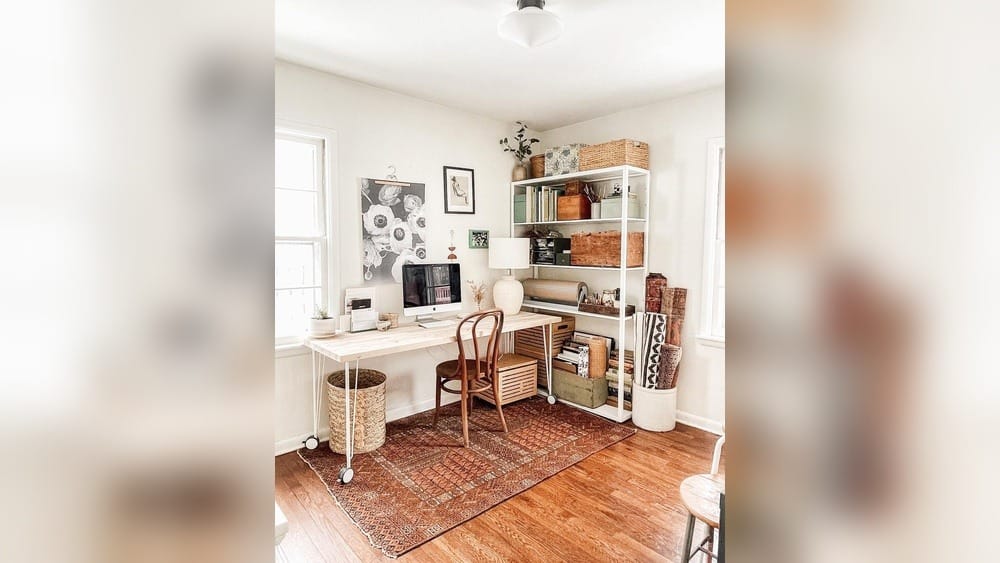
Decorating an office is much more than just making it look attractive. It’s about creating a space that helps people feel comfortable, focused, and motivated. A well-decorated office can improve your mood, boost productivity, and even make a strong impression on visitors or clients.
Whether you work from a home office or a shared workspace, the right decor can turn any dull, uninspiring room into a place where creativity and efficiency thrive. This guide gives you practical, step-by-step advice on how to decorate your office, from choosing colors to arranging furniture, using plants (including trees), and adding personal touches that truly make the space your own.
Understanding The Purpose Of Your Office
Before you start decorating, think about how you use your office. Is it a place for quiet focus, creative brainstorming, video calls, or frequent meetings? Different tasks need different setups. For example, a creative designer may need open space and inspiration boards, while an accountant may prefer a tidy, clutter-free desk.
Ask yourself:
- What is the main work you do here?
- How many hours a day do you spend in this space?
- Do you meet clients here, or is it just for you?
- Do you need quiet or do you like background noise?
Knowing your needs helps you choose the right style, furniture, and accessories. Many people skip this step and end up with a beautiful office that doesn’t work for them.
Choosing A Color Scheme That Works
Color can change how you feel and work. Studies show that color affects mood, focus, and even energy levels. For example, blue and green colors can make you feel calm and focused, while yellow and orange can boost creativity.
Popular office color choices:
- Blue: Good for focus and calm workspaces.
- Green: Reduces eye strain, great for long hours.
- White: Clean and open, but can feel cold if overused.
- Gray: Professional and modern, but add warm accents.
- Yellow/Orange: Inspires energy and creativity, best as accents.
Don’t use too many colors at once. Pick one main color, one secondary color, and one accent color. For example, you might choose blue walls, white furniture, and yellow artwork.

Credit: www.reddit.com
Selecting The Right Furniture
Furniture is the backbone of your office. The right pieces make your space comfortable and efficient, while the wrong ones can cause back pain or clutter.
Ergonomic Desk And Chair
Your desk and chair are the most important. If you spend many hours at your desk, invest in an ergonomic chair with good back support. Your desk should be at a comfortable height, and there should be enough space for your computer, notebooks, and other tools.
Essential features for a good chair:
- Adjustable height
- Lumbar support
- Armrests
- Swivel base
Desk features to consider:
- Enough surface area for your work
- Storage for documents and supplies
- Adjustable height (if you want a sit-stand desk)
Storage Solutions
Clutter can make you feel stressed and distracted. Storage helps you keep things tidy and find what you need quickly.
Popular storage ideas:
- Shelves on the wall for books and decor
- Filing cabinets for important papers
- Drawers under the desk for small items
- Bins or boxes for extra supplies
Additional Seating
If you meet clients or work with teammates, consider extra chairs or a small sofa. Choose something comfortable but not too soft, to keep meetings professional.
Arranging Your Office Layout
The way you arrange your furniture changes how your office feels. A good layout makes your office feel bigger and helps you work better.
Tips for arranging your office:
- Place your desk near a window for natural light.
- Keep the path to your desk clear.
- Put your computer monitor at eye level.
- Use corners for storage or plants.
- Leave space for movement.
Here’s a simple comparison of common office layouts:
| Layout Type | Best For | Weakness |
|---|---|---|
| L-Shaped | Multi-tasking, small rooms | May feel boxed in |
| U-Shaped | Lots of storage, multiple monitors | Needs more space |
| Single Desk | Simple, minimal work | Less storage |
| Open Plan | Team work, creativity | Less privacy |
Try moving your furniture around before deciding on a final setup. Sometimes a small change makes a big difference.
Bringing Nature Inside: Plants And Office Trees
Adding plants is one of the easiest ways to make your office feel fresh and alive. Plants, including indoor trees, can do more than just look nice. They improve air quality, reduce stress, and can even boost productivity. According to a University of Exeter study, offices with greenery can increase productivity by up to 15%.
Choosing The Right Plants
Not every plant thrives indoors, especially in office light. Look for low-maintenance plants that don’t need much sunlight or water.
Popular office plants:
- Snake plant: Hard to kill, needs little water.
- Pothos: Grows well in low light.
- ZZ plant: Very tough, good for busy people.
- Peace lily: Cleans air, needs medium light.
- Spider plant: Good for hanging baskets.
Adding A Tree To Your Office
Including a tree in the office creates a strong visual impact and a sense of calm. Some trees can thrive indoors if they get enough light and care.
Best indoor trees for offices:
- Fiddle Leaf Fig: Large, glossy leaves, needs bright light.
- Rubber Tree: Easy to grow, tolerates low light.
- Dracaena: Slim, upright, doesn’t need much care.
- Weeping Fig (Ficus): Classic indoor tree, needs steady conditions.
- Parlor Palm: Compact, great for desks or corners.
Care tips for office trees:
- Water only when the soil is dry.
- Wipe leaves to keep them dust-free.
- Rotate the tree so all sides get light.
- Use a pot with good drainage.
If space is tight, choose a smaller tree or a tall plant. Even one tree can make your office feel like a healthier, more inspiring place.
Lighting: More Than Just Brightness
Lighting affects both your mood and your work. Poor lighting can cause headaches and make you feel tired. Good lighting makes you feel alert and keeps your eyes comfortable.
Types Of Lighting
- Natural light: Best for your health and mood. Place your desk near a window if possible.
- Ambient lighting: Overhead lights that fill the room.
- Task lighting: Desk lamps or adjustable lights for focused work.
- Accent lighting: Small lights to highlight art or plants.
Mix different types of light. For example, use a desk lamp for reading and a soft floor lamp for a relaxing corner.
Choosing Bulbs
Use bulbs that are easy on the eyes. LED bulbs are energy-efficient and last longer. Choose a color temperature between 3500K (warm) and 5000K (cool) for office work.
Pro tip: If you do video calls, use a ring light or position a lamp behind your computer for soft, even light on your face.
Personalizing Your Workspace
An office should feel like yours. Personal touches make you happier and more relaxed, which helps you do your best work.
Ways to personalize your office:
- Add photos of family, friends, or pets.
- Use art that inspires you.
- Choose a mousepad or mug with your favorite design.
- Hang a vision board with your goals.
- Display travel souvenirs or small collectibles.
Be careful not to overdo it. Too many personal items can make your office feel messy.
Adding Art And Wall Decor
Blank walls can make your office feel empty or boring. Art and wall decor add color, style, and inspiration.
Ideas For Wall Decor
- Framed art prints: Pick calming or motivational images.
- Bulletin boards or whiteboards: Good for notes, reminders, or creative ideas.
- Calendars: Stay organized while adding style.
- Wall shelves: Show off books, awards, or plants.
- Wall clocks: Choose a design that matches your style.
Don’t hang everything at once. Leave some blank space so your office doesn’t feel crowded.
Using Accessories For Function And Style
Small accessories can make your office more comfortable and efficient. Choose items that are both useful and stylish.
Helpful accessories for any office:
- Desk organizers for pens and papers
- Cable management clips or boxes
- A comfortable mouse and keyboard
- Coasters for drinks
- A desk mat or blotter
- Sticky notes in bright colors
Pick accessories that match your color scheme for a clean, unified look.
Flooring And Rugs
The floor is easy to forget but can completely change your office’s look. Hard floors (like wood or tile) are easy to clean but can feel cold. A rug makes your office feel warm and comfortable, and it can add color or texture.
When choosing a rug:
- Pick a size that fits your desk and chair.
- Choose a pattern that’s not too busy.
- Use a rug pad to keep it from slipping.
A rug also helps reduce noise, especially in shared offices.

Credit: www.workspace-resource.com
Window Treatments
Windows bring in natural light, but too much sun can cause glare or heat. The right window treatments help control light and privacy.
Options for office windows:
- Blinds: Easy to adjust, modern look.
- Curtains: Softens the space, adds color or pattern.
- Shades: Simple and clean, good for small spaces.
- Frosted film: Keeps light but adds privacy.
Choose materials that are easy to clean. For a calm workspace, stick to neutral colors or simple patterns.
Scent And Air Quality
A good-smelling office can make you feel relaxed and focused. Bad smells or stuffy air do the opposite.
Ways to improve office air:
- Open a window when possible.
- Use an air purifier.
- Add plants or a tree to naturally clean the air.
- Try a diffuser with essential oils (like lavender or citrus).
Avoid strong scents if you share your office with others.
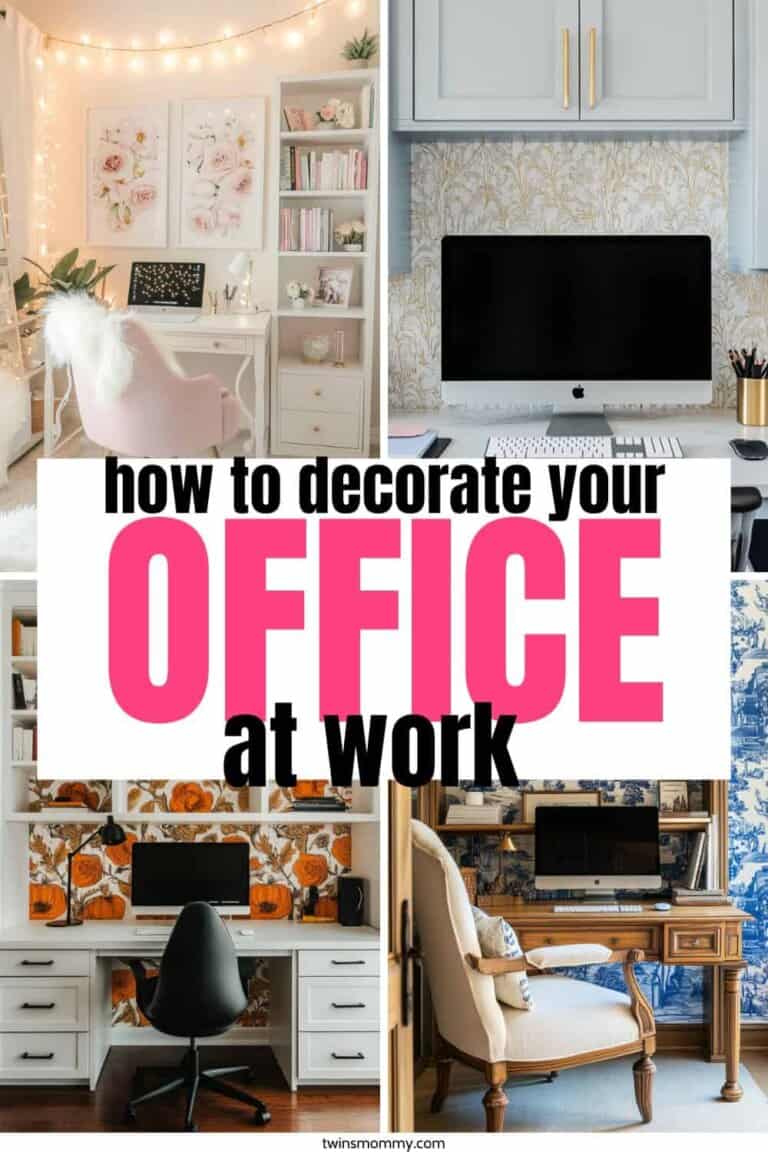
Credit: twinsmommy.com
Creating Zones For Different Activities
If you do many tasks in your office, create different zones. Each zone can have its own purpose and style.
Examples of zones:
- Work zone: Desk, computer, lamp
- Reading zone: Comfy chair, bookshelf, small table
- Meeting zone: Extra chairs or small sofa
- Relax zone: Beanbag, plant, soft lighting
Use rugs, screens, or shelves to separate zones. Even a small office can have two or three zones with smart planning.
Keeping Cables And Tech Tidy
Modern offices have lots of technology, but cables and gadgets can look messy. Tidying up your tech keeps your space safe and organized.
Tips for cable management:
- Use clips or ties to bundle cords.
- Label each cable for easy ID.
- Hide power strips behind furniture.
- Choose wireless devices if possible.
Keeping tech neat helps you clean faster and reduces stress.
Noise Control For Focus
Noise is a big problem in many offices. Too much sound makes it hard to focus, especially in open-plan spaces.
Ways to reduce office noise:
- Add a rug or carpet to absorb sound.
- Use noise-canceling headphones.
- Hang heavy curtains.
- Place bookshelves or screens as barriers.
- Play soft background music if it helps you concentrate.
If you have your own office, close the door during important work.
Green Initiatives: Sustainable Decor Choices
Eco-friendly offices are better for you and the planet. More companies are choosing sustainable decor to save energy and reduce waste.
Ideas for a green office:
- Use LED lights to cut energy use.
- Pick furniture made from recycled or natural materials.
- Add real plants or a tree for cleaner air.
- Buy second-hand or upcycled decor.
- Recycle paper and packaging.
Sustainable offices can save money in the long run and make you feel good about your choices. The U.S. Environmental Protection Agency offers detailed guides on green office practices.
Common Mistakes To Avoid
Even with good ideas, it’s easy to make mistakes when decorating an office. Here are a few to watch out for:
- Ignoring lighting: A dark or harshly lit office feels uncomfortable.
- Choosing style over comfort: Modern furniture can look great but be hard to use.
- Using too many colors: This makes your office feel chaotic.
- Crowding the space: Too much furniture or decor makes it hard to move.
- Skipping plants or greenery: Offices without nature feel less inviting.
- Forgetting storage: Messy desks lower productivity.
- Leaving cables exposed: Tangled cords look unprofessional.
- Overpersonalizing: Too many personal items can distract you.
- Not planning zones: Mixing activities in one space can lower focus.
- Ignoring maintenance: Choose decor you can clean easily.
Small Office Decorating Tips
If your office is small, use these tricks to make it feel bigger and brighter:
- Use mirrors to reflect light and make the room seem larger.
- Choose light colors for walls and furniture.
- Pick furniture with legs (not solid bases) for an airy look.
- Mount shelves on the wall instead of using floor space.
- Use one large plant or a small tree instead of many small items.
Large Office Decorating Tips
Big offices need a different approach to avoid feeling empty or cold:
- Use area rugs to define zones.
- Add a large tree or several tall plants.
- Hang big pieces of art on the walls.
- Use bookshelves or screens to break up the space.
- Add soft seating for comfort in open areas.
Seasonal And Temporary Decor
Change your office decor with the seasons to keep things fresh and interesting. This doesn’t mean a full makeover—small changes can make a big impact.
Easy seasonal updates:
- Swap out throw pillows or rugs.
- Change art prints or desk accessories.
- Add seasonal plants or flowers.
- Use string lights in winter for a cozy feel.
Temporary decor is also great for special projects, holidays, or celebrations.
Digital Decor: Screens And Smart Devices
Technology is part of modern office decor. Smart devices and digital displays can make your office more efficient and fun.
Popular digital decor ideas:
- Digital photo frames for changing images
- Smart speakers for music and reminders
- Wireless chargers to reduce cable mess
- Smart lights you control with your phone
- Monitors with built-in blue light filters
Add digital tools that help you work better, not just for the sake of technology.
Data And Trends: The Impact Of Office Decor
Research shows that office decor matters for both wellbeing and business performance. According to a 2023 survey by Leesman, employees who rate their workspace highly are 20% more likely to report strong productivity. Another study from Human Spaces found that offices with natural elements, like plants and trees, had a 15% higher wellbeing score.
Here’s a summary of some key findings:
| Decor Element | Impact on Productivity | Impact on Wellbeing |
|---|---|---|
| Natural Light | +16% | +18% |
| Plants/Trees | +15% | +15% |
| Personalization | +12% | +10% |
| Good Lighting | +14% | +11% |
Many beginners forget to measure how their changes affect their work. Try tracking your mood and productivity before and after making decor changes.
Two Non-obvious Insights For Better Office Decor
- The power of sightlines: Keep your main sightline (what you see when looking up from your desk) clear of clutter and distractions. Facing a window, plant, or art piece is much better for focus than facing a busy shelf or wall.
- Micro-break spaces: Even a small corner with a soft chair or yoga mat can give you a place for short breaks, which boosts creativity and reduces stress. Most people think only about their main desk, but creating a “micro-break” spot helps your brain recharge.
Frequently Asked Questions
What Is The Best Way To Choose Office Colors?
Focus on how you want to feel in your office. Cool colors like blue and green help with calm and focus, while warm colors like yellow add energy. Use no more than three main colors to keep the space balanced.
Can I Really Put A Tree In My Office?
Yes! Many trees, like the fiddle leaf fig or rubber tree, can thrive indoors. Make sure you have enough light and space. A tree makes your office feel fresh and unique.
How Do I Keep My Office Looking Tidy?
Use storage solutions like shelves, drawers, and bins. Organize cables with clips or boxes. Take five minutes at the end of each day to tidy up your desk and put things back in their place.
What If I Share My Office With Others?
Choose a neutral color scheme and keep personal items to a minimum. Use headphones for music or calls. Discuss shared decor choices with your coworkers so everyone feels comfortable.
How Do I Decorate My Office On A Budget?
Start with small changes: move furniture, add a plant or tree, or hang inexpensive art prints. Buy second-hand furniture or DIY your own decor. Focus on lighting and color, which can make a big impact without costing much.
A well-decorated office is more than just a beautiful space—it’s a tool that helps you work better, feel happier, and impress anyone who visits. By planning your decor with care and making choices that suit your needs, you can create an office you love to spend time in.
Whether you add a bold accent wall, a cozy rug, or a stunning indoor tree, every detail can help your office become a place where you do your best work.
Our Sample Article

Benefits of Meditation: Unlocking Peace and Productivity
Shahidujzaman Shahid · May 29, 2024
How to Choose a Probiotic: Your Essential Guide
Shahidujzaman Shahid · May 29, 2024
Why Does My Cat Keep Throwing Up? Uncover the Causes!
Shahidujzaman Shahid · May 29, 2024