
How to Create Amazon Storefront as Affiliate: The Ultimate Guide
Learn how to create Amazon Storefront as affiliate to boost commissions, showcase products, and increase conversions. Step-by-step guide!
Imagine this: You wake up one morning, sip your coffee, and your inbox is flooded with notifications. Sales. Clicks. Happy customers.
Sounds dreamy, right?
That’s the power of a well-crafted Amazon storefront.
In this guide, we’ll walk you through every step to set up your storefront as an affiliate. We’ll share actionable tips, easy-to-follow steps, and even a smart tool that can save you countless hours.
So, buckle up and get ready to dive into the world of Amazon affiliate marketing!
What Is an Amazon Storefront and Why Should You Create One?
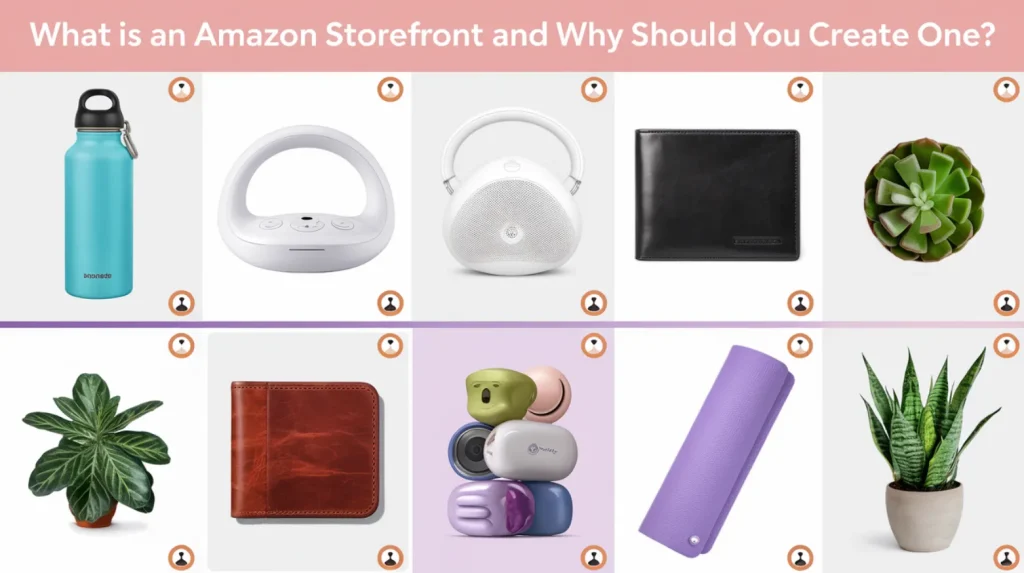
An Amazon storefront is like your personal corner of the internet where you can showcase a collection of products you believe in. It’s a dedicated page that not only highlights your favorite finds but also earns you commissions when visitors click on your affiliate links.
Key Benefits:
- Enhanced Credibility: A dedicated storefront builds trust. Visitors know you’ve taken the time to curate the best products.
- Streamlined Shopping: Your audience can browse through a selection of products without distraction.
- Boosted Conversions: A well-organized page can lead to higher click-through rates and more sales.
- Brand Building: It lets you express your style. Stand out with a personalized design and layout.
Think of it as setting up your own mini boutique. Instead of wandering through a massive marketplace, your visitors get a tailored shopping experience.
Getting Started: Join the Amazon Associates Program
Before you can build your storefront, you need to be part of the Amazon Associates Program. Here’s how you get started:
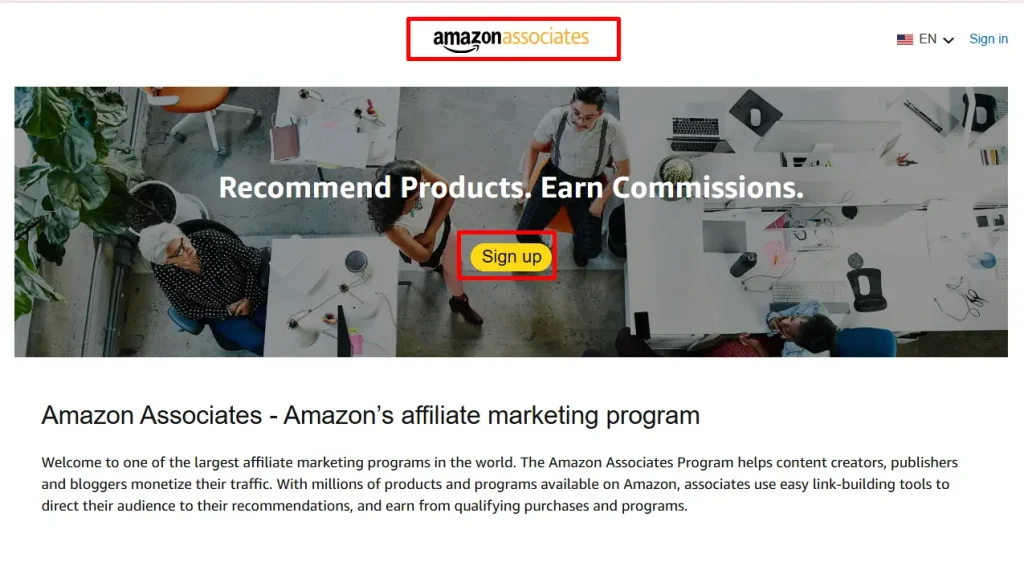
- Sign Up: Visit the Amazon Associates page and register. It’s free and takes only a few minutes.
- Provide Details: Fill in your website information and how you plan to drive traffic.
- Await Approval: Amazon reviews your application. Once approved, you’ll have access to your affiliate dashboard.
Remember, your success depends on more than just joining the program. It’s about how you use the tools and strategies available to you.
Step-by-Step: Creating Your Amazon Storefront
Now that you’re a registered affiliate, it’s time to create your storefront. Follow these steps for a smooth setup:
1. Choose Your Niche
Focus on a category you’re passionate about. Whether it’s tech gadgets, home decor, or fitness gear, having a niche helps you target the right audience.
- Benefits of Niche Selection:
- Builds your authority.
- Improves audience trust.
- Makes it easier to choose products that resonate with your visitors.
2. Access Your Amazon Affiliate Dashboard
Log in to your affiliate dashboard. Here, you’ll find the tools to create your storefront and track your earnings.
- Dashboard Tips:
- Familiarize yourself with the various sections.
- Check out the available widgets and templates.
- Keep an eye on your performance reports.
3. Build Your Storefront
Most affiliate dashboards offer a way to create a dedicated page. Follow the provided instructions to set up your storefront. Generally, you’ll have the option to:
- Choose a Layout: Pick a template that suits your style. Go for a design that’s clean and easy to navigate.
- Add Product Sections: Organize your products into categories. This might be “Best Sellers,” “New Arrivals,” or “Top Picks.”
- Insert Affiliate Links: Make sure every product you display links back to your affiliate code.
4. Customize with Your Personal Touch
Your storefront is a reflection of you. Customize it to make it stand out:
- Header and Logo: Use a catchy header and your logo. This builds brand recognition.
- Colors and Fonts: Keep it simple. Choose colors and fonts that are easy on the eyes.
- Engaging Descriptions: Write short, punchy descriptions for your products. Keep it conversational and relatable.
5. Optimize for Mobile Users
A large chunk of traffic comes from mobile devices. Ensure your storefront is mobile-friendly:
- Responsive Design: Check that your layout adapts to different screen sizes.
- Fast Loading Times: Compress images and minimize unnecessary scripts.
- Clear Navigation: Make it easy for mobile users to browse and click.
Fine-Tuning Your Storefront for Maximum Impact
Your storefront is now live. But don’t stop there! Follow these tips to fine-tune it and improve your results.
SEO Best Practices
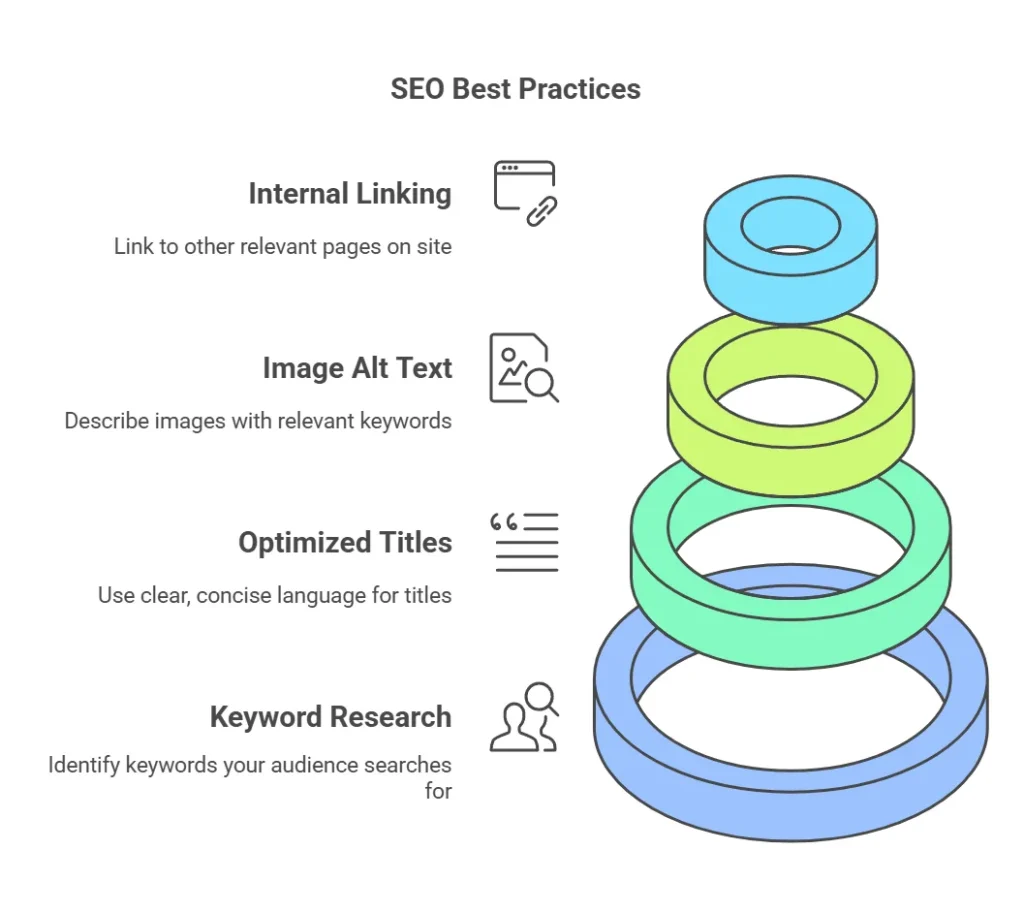
Search engine optimization is key to driving organic traffic. Here’s what to do:
- Keyword Research: Identify the keywords that your target audience is searching for.
- Optimized Titles and Descriptions: Use clear and concise language. Break up long sentences.
- Image Alt Text: Describe your images with relevant keywords.
- Internal Linking: Link to other relevant pages on your site.
User Experience (UX)
A positive user experience can make all the difference.
- Easy Navigation: Use simple menus and clear calls-to-action.
- Fast Load Times: Optimize your site speed. Visitors don’t like to wait.
- Clear Product Information: Provide concise details. Bullet points work well:
- Key features
- Pros and cons
- Customer ratings
Testing and Tweaking
Don’t be afraid to experiment. Use tools like A/B testing to see what works best. Change one element at a time and measure the results.
Driving Traffic to Your Amazon Storefront
Even the best storefront won’t perform if no one visits it. Here are some strategies to boost your traffic:
Social Media Marketing
Social platforms are a gold mine for affiliate marketers.
- Share Your Storefront: Post your curated selections on Facebook, Instagram, and Twitter.
- Engage with Your Audience: Reply to comments, ask for feedback, and build a community.
- Use Hashtags: They help increase your reach. Keep them relevant to your niche.
Content Marketing
Create content that naturally leads to your storefront.
- Blog Posts: Write helpful articles related to your niche. For example, “Top 10 Home Decor Trends.”
- Video Content: Short, engaging videos can drive traffic. Consider quick product reviews.
- Email Newsletters: Share your latest picks with your subscribers.
Paid Advertising
If you have a budget, consider targeted ads.
- Social Media Ads: Platforms like Facebook and Instagram offer targeted campaigns.
- Google Ads: Appear in search results when people look for products in your niche.
- Affiliate Networks: Use networks that specialize in promoting affiliate content.
Organic SEO Strategies
Good SEO doesn’t happen overnight. Be patient and consistent.
- Quality Content: Regularly update your site with fresh, relevant content.
- Backlink Building: Get other reputable sites to link back to your storefront.
- Local SEO: If your niche has a local angle, optimize for local search.
Real-Life Story: Lessons from the Field
My Friend Al Amin once struggled to get his affiliate sales off the ground. He tried everything—social media posts, email campaigns, even paid ads. Nothing worked until he decided to focus on creating a killer storefront. He spent a weekend curating his top picks, and within a month, his clicks and conversions began to climb steadily.
He said, “I felt like I was finally in control. Every product had a story, and my audience connected with it.”
That’s the magic of a well-designed storefront. It gives you the power to tell a story, connect with your visitors, and ultimately drive sales.
Boosting Productivity: How to Create Content Faster and Smarter
Now, here’s something that might change the game for you. One of the biggest challenges in affiliate marketing is keeping your content fresh and engaging. Writing articles, updating product listings, and staying current can eat up your time. What if there was a tool that could do most of that heavy lifting for you?
Meet Affpilot AI

Imagine a tool that writes and automatically publishes up to 1000 articles on your website. Sounds too good to be true? Well, let’s break it down:
- Automated Content Creation: You simply provide your affiliate API or store ID from your dashboard. The tool takes over from there.
- Dynamic Image Insertion: It doesn’t stop at text. The tool dynamically inserts product images using an API. And don’t worry—these images include your affiliate link and are fully compliant.
- Keyword Driven: Paste in your chosen keywords, and the tool generates a product roundup article for the products you selected.
- Customization: Want to feature specific items? Just provide the ASIN numbers, and the tool tailors the article accordingly.
Why This Matters
- Time Saver: Think about how many hours you spend writing and editing articles. With this tool, you reclaim that time.
- SEO Friendly: The content is optimized to align with the latest Google updates. That means better rankings and more organic traffic.
- Proven Results: Some affiliates report conversion rates nearing 10%. Imagine earning over $700 a month with a consistent stream of quality content.
- Ease of Use: It’s as simple as copying and pasting your keywords. No complicated setups, just straightforward, effective content generation.
I know firsthand how challenging it can be to juggle content creation with the many other aspects of running an affiliate business. This tool has been a game-changer for many, allowing them to focus on strategy rather than getting bogged down by the nitty-gritty details of writing.
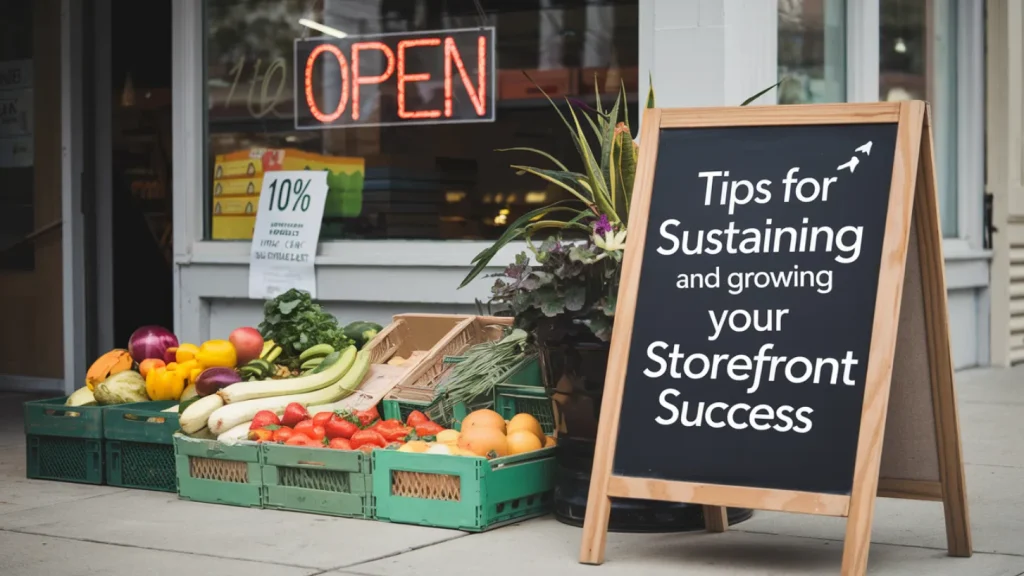
Tips for Sustaining and Growing Your Storefront Success
You’ve set up your storefront and you’re starting to see results. What’s next? Here are some tips to keep the momentum going:
Keep Your Content Fresh
- Regular Updates: Refresh your product listings regularly.
- Seasonal Picks: Highlight seasonal or trending products.
- User Reviews: Encourage visitors to leave reviews. Authentic feedback builds trust.
Analyze and Adapt
- Monitor Performance: Use your affiliate dashboard to track clicks and conversions.
- A/B Testing: Experiment with different layouts and calls-to-action.
- Stay Informed: Keep up with Amazon’s policies and new features. Being proactive can help you avoid pitfalls.
Engage With Your Audience
- Social Proof: Display customer testimonials or ratings.
- Interactive Elements: Consider polls or Q&A sections to boost engagement.
- Personal Touch: Share your personal experiences with the products. Real stories resonate.
Expand Your Reach
- Collaborate: Work with other influencers or bloggers in your niche.
- Guest Posts: Write guest articles on related blogs and link back to your storefront.
- Diversify Traffic Sources: Don’t rely on just one channel. Combine SEO, social media, and paid ads for a balanced approach.
Overcoming Common Challenges
Every journey has its bumps. Here are some common challenges you might face and how to overcome them:
Challenge 1: Low Initial Traffic
- Solution: Start small. Focus on building quality content. Use social media to drive your first visitors.
- Tip: Think of it like planting seeds. Nurture your content and watch it grow.
Challenge 2: Keeping Content Consistent
- Solution: Create a content calendar. Plan your posts ahead of time.
- Tip: Use tools that automate tasks. This can free up time for strategy and engagement.
Challenge 3: Standing Out in a Crowded Market
- Solution: Focus on your unique voice. What makes your recommendations different?
- Tip: Use personal stories and detailed product comparisons. This creates a bond with your audience.
The Road Ahead: Embracing a Smarter Way to Work
As you continue to build and refine your Amazon storefront, always keep one thing in mind: smart work beats hard work. The world of affiliate marketing is evolving. New tools and techniques are emerging that can help you stay ahead of the curve.
Remember those moments when you felt overwhelmed by the sheer amount of content you needed to produce? Those days are over. With tools like Affpilot AI, you can automate the process, focus on strategy, and enjoy more freedom to innovate. It’s like having a virtual assistant that never sleeps.
Final Thoughts: Your Blueprint for Success
Creating an Amazon storefront as an affiliate isn’t just about setting up a page. It’s about curating an experience. It’s about showing your audience that you care enough to handpick products that make a difference. And yes, it’s about boosting your affiliate earnings in the process.
Let’s recap:
- Start with the basics: Join the Amazon Associates Program and choose your niche.
- Design with care: Create a clean, user-friendly storefront with engaging descriptions.
- Optimize and promote: Use SEO best practices and diverse traffic strategies to drive visitors.
- Embrace automation: Consider smart tools that save you time and help you scale your efforts.
Every successful affiliate knows that time is your most valuable asset. By investing in tools and strategies that streamline your workflow, you’re setting yourself up for long-term success. And if you ever feel stuck or overwhelmed, remember: there’s always a smarter way to work.
A Personal Note
I remember the days when I spent hours crafting each article by hand. The pressure was high. I had to balance content creation, SEO, and keeping up with trends. Then I discovered a tool that automated much of the process. It was like a breath of fresh air. Suddenly, I had more time to think about strategy and growth. And the results? They spoke for themselves. My conversion rate improved, and the extra hours meant I could experiment with new ideas.
The Takeaway
Your Amazon storefront is more than just a page on the web. It’s a dynamic space that can evolve with your brand. With the right approach, you can turn casual visitors into loyal customers and passive browsers into active buyers.
So, are you ready to take your affiliate marketing to the next level? Dive in, experiment, and don’t be afraid to adapt. The online marketplace is ever-changing. Embrace the challenge, learn from every step, and enjoy the journey.
Ready to Supercharge Your Affiliate Marketing?
Before you go, here’s a final tip. If you’re serious about scaling your content creation without sacrificing quality, check out Affpilot AI at affpilot.com. It’s designed to give you back your time by:
- Automatically writing and publishing hundreds of articles.
- Inserting product images dynamically.
- Including your affiliate links seamlessly.
- Allowing customization by simply entering keywords or specific product IDs.
Imagine having a reliable partner that handles your content needs while you focus on growth and strategy. This isn’t just about saving time—it’s about working smarter and enjoying a better work-life balance.
Conclusion
There you have it—a step-by-step guide to setting up your very own Amazon storefront as an affiliate. From choosing your niche and designing a clean, engaging page to driving traffic and harnessing the power of automation, every step is a building block toward a thriving affiliate business.
Remember, the journey might seem long at first, but every great success story starts with a single step. Your storefront is not just a sales tool—it’s a platform for sharing your passion, building trust, and creating a lasting impact on your audience.
Take that step today. Experiment with your design. Optimize for SEO. Engage with your audience. And, if you’re looking for a powerful way to streamline your content creation, give Affpilot AI a try. It might just be the secret sauce that takes your affiliate marketing efforts from good to extraordinary.
Happy affiliating!
Feeling inspired? Ready to see your efforts turn into real results? Start building your Amazon storefront now and explore the endless possibilities of affiliate marketing. With a clear plan and smart tools in your arsenal, you’re not just chasing sales—you’re setting the stage for a rewarding journey into the world of online entrepreneurship.
Our Sample Article

Benefits of Meditation: Unlocking Peace and Productivity
Shahidujzaman Shahid · May 29, 2024
How to Choose a Probiotic: Your Essential Guide
Shahidujzaman Shahid · May 29, 2024
Why Does My Cat Keep Throwing Up? Uncover the Causes!
Shahidujzaman Shahid · May 29, 2024