
PR Email Template Essentials: Craft Pitch-Perfect Messages!
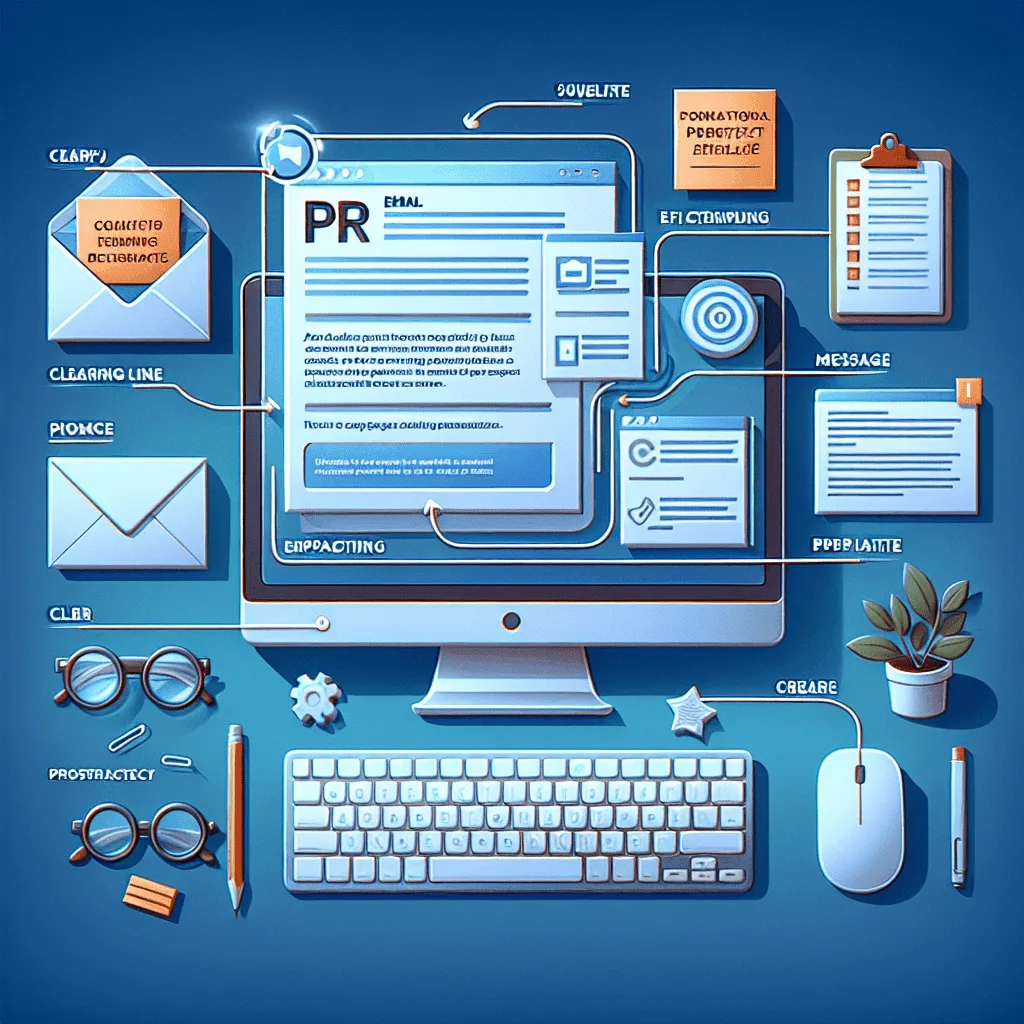
A PR email template is a strategic tool for crafting effective media outreach. It streamlines communication with journalists and influencers.
Crafting a PR email template requires a balance between personalization and efficiency. It acts as a framework that allows public relations professionals to quickly send out tailored messages while maintaining consistency in their communications. A well-designed template saves time and ensures key messages and calls to action are clearly presented, increasing the likelihood of engagement from the recipient.
It typically includes a compelling subject line, an introduction to the sender, an overview of the news or pitch, and a clear request or next step. The template should be adaptable for various campaigns yet specific enough to convey the unique value proposition of each pitch. Keep it concise to respect the recipient’s time and attention, and personalize it to build a connection with the recipient.
Introduction To Pr Email Templates
Introduction to PR Email Templates sets the stage for successful media outreach. Crafting the perfect pitch can be daunting. PR email templates streamline the process. They ensure consistent messaging across all communications.
Importance In Media Relations
Building strong media relations is crucial for any PR strategy. The right email template can make a big impact. It helps create a professional first impression. Journalists receive countless emails daily. A well-structured template stands out. It ensures key messages are clear and concise.
Benefits Of Using Templates
- Efficiency: Templates save time. They provide a starting point for each email, reducing the time spent on crafting messages from scratch.
- Consistency: Consistent communication builds brand identity. Templates maintain a uniform tone and style across all emails.
- Effectiveness: Tailored templates target specific media outlets. They increase the chances of your story getting picked up.
- Organization: Templates help keep track of the PR campaigns. They ensure each outreach effort is documented and organized.
Crafting A Compelling Subject Line
Let’s talk about making your PR emails stand out. The subject line is your first chance to grab attention. Think of it as the headline of your news story. It’s what makes people decide to read on or move on. So, how do you write one that clicks with your audience? Let’s dive into the art of crafting a compelling subject line.
Characteristics Of Effective Subject Lines
Great subject lines share some key traits. They’re the hook that gets readers to bite. Here’s what they should do:
- Grab attention: They stand out in a crowded inbox.
- Spark curiosity: They make readers want to know more.
- Be brief: They convey the message in just a few words.
- Stay relevant: They connect to the reader’s interests or needs.
- Promise value: They suggest the email content is worth the time.
Examples And Formulas
Let’s get practical. Here are some formulas you can use to craft your subject lines:
| Formula | Example |
|---|---|
| Question that piques interest | ”Is This the Future of [Industry/Product]?” |
| Number + Benefit | ”5 Ways to Improve Your [Skill/Process]” |
| Teaser that hints at the story | ”We’re Revealing Our Secrets to [Something Desirable]” |
| Personalization with the recipient’s name or company | ”[Name], Exclusive Insights for [Company]” |
| Urgency that prompts action | ”Last Chance to See What Everyone’s Talking About!” |
Remember, the key is to mix and match these formulas to fit your message. Keep it short, sweet, and to the point. The goal is to make the recipient feel like they can’t miss out on what’s inside.
Structuring Your Email Body
When crafting a PR email, the body is where you shine. It needs a strong structure to ensure your message resonates effectively. Here’s how to make every part count.
Opening With Impact
First impressions matter in emails as much as they do in person. Start with a compelling hook. Use a bold statement or an intriguing question to grab attention. For example:
Did you know that our latest product can increase your efficiency by 50%?
This line sets the stage for what’s coming and hooks the reader immediately.
Delivering Your Message Clearly
Clarity is key in PR emails. Your goal is to convey your message without confusion. Here’s how:
- Use short, simple sentences.
- Break text into small paragraphs.
- Include bullet points for benefits or features.
Consider using a table to present key information at a glance:
| Feature | Benefit |
|---|---|
| 24/7 Customer Support | Assistance anytime you need it |
| Eco-Friendly | Helps protect the environment |
Concluding Strongly
End your email on a memorable note. A strong conclusion reinforces your message and prompts action. Use a clear, confident call to action. For instance:
Click here to join our exclusive mailing list!
This directs the reader on what to do next, increasing the chance of engagement.
Personalization Techniques
Mastering personalization in PR emails can set your message apart in a sea of generic pitches. It’s about making a real connection with the recipient. Let’s dive into the techniques that can help you craft emails that get noticed and elicit responses.
Researching The Recipient
Knowing your audience is key. Start by gathering information about the person you’re emailing. Look for:
- Recent articles they’ve written
- Topics they’re passionate about
- Their social media activity
Use this data to understand their interests. This makes your email resonate with them.
Tailoring The Content
With your research in hand, customize your email. Consider:
- Addressing the recipient by name
- Mentioning a recent work they did
- Explaining why your story fits their beat
Keep the tone friendly and professional. This approach shows you value their work and time.
Strategic Use Of Visuals And Attachments
The strategic use of visuals and attachments can transform a basic PR email into a compelling narrative. They offer a break from text-heavy content, engaging recipients visually and providing a more immersive experience. Effective visuals can highlight key messages, while attachments serve as an in-depth resource. Let’s dive into best practices for incorporating these elements into your PR emails.
When And How To Include Images
Images in PR emails should serve a clear purpose. Use them to:
- Showcase products or services.
- Illustrate important data points through infographics.
- Convey the brand’s personality and values.
Follow these steps:
- Choose images that are high-quality and relevant.
- Ensure they are optimized for email (low file size, correct format).
- Embed images strategically within the email body.
Guidelines For Attachments
Attachments should not overwhelm recipients. Stick to these guidelines:
| Type of Attachment | Best Practices |
|---|---|
| Press Releases | PDF format, accessible and easy to download |
| Media Kits | Include links to an online folder instead of heavy files |
| Reports or Whitepapers | Summarize the content in the email, provide direct download link |
Limit the number of attachments to avoid spam filters. Always mention the attachment within the email to signal its importance.
Incorporating Calls To Action
Incorporating Calls to Action (CTAs) in your PR email template is crucial for driving your audience to take the desired action. Whether it’s to encourage journalists to write about your product or to invite influencers to share your content, CTAs guide your recipients on what to do next. Crafting effective CTAs can make the difference between an email that converts and one that gets lost in the inbox.
Types Of Calls To Action
Selecting the right type of CTA is essential for your PR email’s success. Here are some popular options:
- Learn More: Directs recipients to additional information.
- Register Now: For events or webinars.
- Download: Offers access to resources like whitepapers or e-books.
- Contact Us: Opens a line of communication.
- Follow Us: Increases social media engagement.
Positioning For Maximum Impact
The placement of your CTA can significantly affect its performance. Follow these tips for maximum impact:
- High Visibility: Place your CTA where it’s easily seen, like the top of the email.
- Context Matters: Ensure the CTA is relevant to the email content.
- Contrast: Use colors that stand out but complement your design.
- Whitespace: Surround your CTA with space to draw attention.
Remember, your CTA should be clear, concise, and compelling. Test different positions to find what works best for your audience.
Following Up Effectively
Following up effectively is crucial in PR email communication. It’s the difference between building a lasting relationship and having your message overlooked. Mastering the follow-up can transform your outreach from good to great. Let’s dive into the best practices for timing and content in your follow-up emails.
Timing Your Follow-up
The key to timing your follow-up is balance. You want to be persistent without being pushy. A good rule of thumb is to wait at least three business days before following up on your initial email. This gives recipients enough time to process your original message without feeling rushed.
- First follow-up: 3-5 days after initial email
- Second follow-up: 7-10 days after first follow-up
- Final follow-up: 14 days after second follow-up
Content Of Follow-up Emails
The content of your follow-up emails should add value and remind the recipient of your initial outreach. Keep it concise and to the point. Begin by politely mentioning your previous email, and clarify the purpose of your follow-up. Offer new information or a different angle to your story that might pique their interest.
| Element | Description |
|---|---|
| Subject Line | Make it clear that this is a follow-up to catch their eye. |
| Introduction | Quickly remind them of your previous interaction. |
| Value Proposition | Emphasize what’s in it for them with new details. |
| Call to Action | Be specific about what you want them to do next. |
Remember, personalization is key. Use their name and reference any past communication. Show that you’ve done your homework by mentioning a recent article they’ve published or a project they’ve worked on. This level of detail can make your follow-up stand out.
Analyzing Responses And Feedback
After crafting the perfect PR email template, the real work begins. Success lies not just in sending emails, but in what happens next. Understanding how recipients engage with your emails provides invaluable insights. These insights help to refine future communications. Let’s dive into the tools and techniques that can illuminate this process.
Tools For Tracking Engagement
Several tools can help you measure how well your PR emails perform. These tools give you real-time data. You can see who opened your emails, who clicked on links, and much more. Let’s explore some popular options:
- Google Analytics: Use it to track website visits from your email links.
- Email Management Software: Platforms like Mailchimp or Constant Contact offer built-in analytics.
- Customer Relationship Management (CRM) Systems: CRMs can track interactions and categorize responses.
With these tools, you can gather data on your PR campaigns. This data helps improve your email strategy over time.
Learning From Interactions
Every email response is a learning opportunity. Analyzing feedback is crucial. It’s not just about counting replies. It’s about understanding the sentiment behind them. Look at the following aspects:
- Positive Feedback: Praise or interest can guide your next steps.
- Constructive Criticism: Use it to adjust your approach.
- Questions or Concerns: Address these in FAQs or future communications.
Take note of common themes in the feedback. Use them to tailor your future PR emails. This ensures they resonate more with your audience.
Legal And Ethical Considerations
When crafting a PR email template, it’s crucial to consider both legal and ethical implications. These guidelines ensure that communication is not only effective but also responsible. Let’s delve into the specifics that keep PR practices on the right side of the law and the high ground of professional ethics.
Compliance With Laws
Understanding and adhering to legal regulations is paramount when sending out PR emails. This adherence not only protects your brand but also respects the rights of the recipients.
- CAN-SPAM Act: In the US, this act sets rules for commercial email, establishing requirements for commercial messages, giving recipients the right to have you stop emailing them, and spelling out tough penalties for violations.
- GDPR: For those in the EU, or those targeting EU citizens, GDPR compliance is key. It mandates explicit consent for email communications and provides guidelines on how personal data is collected and used.
- Data Protection: Secure handling of personal information is a legal requirement. Encrypt sensitive data and ensure that your email practices don’t lead to data breaches.
Ethical Communication Practices
Going beyond the letter of the law, ethical communication fortifies trust and credibility with your audience.
- Transparency: Be clear about who you are and why you’re reaching out. Avoid misleading subject lines or content.
- Honesty: Ensure that all information shared is accurate and verifiable. Do not exaggerate or misrepresent facts.
- Respect for Privacy: Honor opt-out requests promptly. Never share contact lists without explicit consent.
Remember, a well-crafted PR email that respects legal and ethical standards not only enhances engagement but also builds a lasting, positive reputation for your brand.
Conclusion
Crafting the perfect PR email is both an art and a science. With the template strategies shared in this post, you’re well-equipped to capture attention and foster meaningful media relationships. Remember, personalization and clarity are your allies. Now, go forth and pitch with confidence—your story deserves to be heard.
Our Sample Article

Benefits of Meditation: Unlocking Peace and Productivity
Shahidujzaman Shahid · May 29, 2024
How to Choose a Probiotic: Your Essential Guide
Shahidujzaman Shahid · May 29, 2024
Why Does My Cat Keep Throwing Up? Uncover the Causes!
Shahidujzaman Shahid · May 29, 2024