
Tell Us About The Content You Create For Amazon Affiliate?

Discover how to Tell Us About The Content You Create For Amazon Affiliate. Learn tips and strategies to boost your earnings and maximize your reach!
You’ve heard of Amazon’s affiliate program.
Maybe you’ve clicked a link or two before making a purchase. But have you ever wondered what goes on behind the scenes?
What types of content successful affiliates create? How do they persuade readers to click “Buy Now” and how do they earn commissions?
If you’re new to Amazon affiliate marketing, this guide will walk you through every type of content you can produce, step by step.
By the end, you’ll know exactly what content works, why it works, and how to create it—even if you’ve never written an article before.
Along the way, we’ll explore best practices for structuring your posts, optimizing for search engines, and turning casual readers into clicking customers.
In the later section, you’ll discover Affpilot AI—an auto-blogging tool that can generate and publish up to 1,000 Amazon affiliate articles with your links embedded, saving you hours of work and helping you scale faster than ever.
Understanding Amazon Affiliate Marketing

Before diving into content types, let’s clarify what Amazon affiliate marketing really is and why content matters.
- What is an Amazon affiliate?
An Amazon affiliate (or Amazon Associate) partners with Amazon by sharing product links. When someone clicks your link and buys, you earn a commission. - Why content?
You need a reason for readers to click your links. Content builds trust. It educates readers about products. It ranks in search engines. No content, no clicks. - Who is your audience?
Every piece of content should start with a clear picture of your ideal reader. Are they bargain hunters? Tech enthusiasts? Fitness fanatics? Knowing this shapes what topics you cover and how you write. - Search intent matters.
People type questions into Google for a reason. They might want to compare headphones, learn how to clean sneakers, or find the best laptop under $500. Matching content to that intent gets you traffic.
Ask yourself: What problem does my reader have? What question are they asking?
Your content should answer it thoroughly, simply, and honestly.
Types of Content Amazon Affiliates Create

There’s no one-size-fits-all in affiliate marketing.
Different formats serve different needs. You can—and should—mix and match.
Below are the most popular types of Amazon affiliate content.
1. In-Depth Product Reviews
What it is:
A detailed, honest review of a single product. You cover features, pros and cons, how it performs, and your personal experience.
Why it works:
People love real opinions. Reviews help them decide if a product fits their needs.
Key elements of a great review:
- Clear title: “XYZ Wireless Headphones Review: Worth the Price?”
- Introduction: Explain why you tested the product and who it’s for.
- Features & specs: Bullet out key details (battery life, weight, connectivity).
- Hands-on experience: Share your personal use case—how long you’ve used it, in what situations, and what surprised you.
- Pros & cons table: A quick visual summary readers can scan.
- Comparison note: Briefly mention similar options.
- Conclusion & verdict: Should they buy it? For whom?
- Affiliate link & CTA: A clear invitation like “Grab yours on Amazon today.”
Actionable tip: Record your test process in a notebook. Note feelings, small annoyances, standout features. Those details make your review come alive.
2. Comprehensive Buying Guides

What it is:
A broad guide covering multiple products in a category. For instance, “How to Choose the Best Yoga Mat” followed by top picks.
Why it works:
Readers uncertain about criteria want guidance. You become the expert who narrows down choices.
Structure:
- Introduction to the category: Why quality matters.
- Key buying factors: Material, thickness, grip, price range.
- Top picks: List 5–10 products with mini-reviews.
- Who it’s for: Best budget option, best premium pick, best for travel, etc.
- Final recommendation: A quick shortlist for different budgets.
Actionable tip: Use comparison tables for specs. They help readers scan and make quick decisions.
3. Side-by-Side Comparison Posts
What it is:
A post that compares two or more products directly. Example: “AirPods Pro vs. Sony WF-1000XM4”.
Why it works:
Buyers often narrow down to a handful of options. They want head-to-head analysis.
Structure:
- Feature overview chart: Battery, noise cancellation, price.
- Deep dive sections: One section per product, then a head-to-head analysis.
- Use-case scenarios: Which is best for travel, office, workouts.
- Winner declaration: Based on different criteria.
Actionable tip: Include photos or screenshots of each product in use. Authentic visuals build trust.
4. Listicles and “Best-of” Articles

What it is:
Top “X” lists like “Top 10 Travel Backpacks for 2025”.
Why it works:
Readers love bite-sized recommendations. Lists are easy to scan.
Structure:
- Hook: Why do you need the right backpack?
- List introduction: What criteria you used (capacity, material, price).
- Each list item: Photo, title, short review, pros & cons, affiliate link.
- Wrap-up: Remind readers of the overall best pick.
Actionable tip: Keep each item around 80–100 words. Enough to sell, not enough to bore.
5. Gift Guides and Seasonal Content
What it is:
Curated product selections tied to events: “Mother’s Day Gift Ideas”, “Back-to-School Essentials”.
Why it works:
Seasonality drives search spikes. Readers want ready-made lists.
Structure:
- Season context: Why these make perfect gifts this year.
- Categories: Gifts under $25, luxury gifts, personalized gifts.
- Each gift: Quick blurb and image.
- Bonus tips: Wrapping ideas, shipping deadlines.
Actionable tip: Update these guides annually. Freshness keeps them ranking.
6. Tutorials and How-To Guides
What it is:
Step-by-step instructions that incorporate affiliate products naturally. Example: “How to Build a Home Gym”.
Why it works:
Actionable guides build authority. When you recommend products as part of steps, conversions feel natural.
Structure:
- Intro with the “why”: Benefits of a home gym.
- Step-by-step sections: Each step recommends 1–2 products.
- Visual aids: Photos, diagrams, or embedded video.
- Summary checklist: Equipment list with affiliate links.
Actionable tip: Use numbered headings so readers can jump to the part they need.
7. Multimedia and Social Media Content
What it is:
- Video reviews and tutorials on YouTube or TikTok
- Infographics shared on Pinterest
- Email newsletters featuring “Deal of the Week” products
Why it works:
Different audiences prefer different formats. Video builds personal connection. Infographics get re-pinned. Emails drive repeat clicks.
Actionable tip: Always include your affiliate link in video descriptions, infographic captions, and email CTAs.
Structuring Your Amazon Affiliate Content
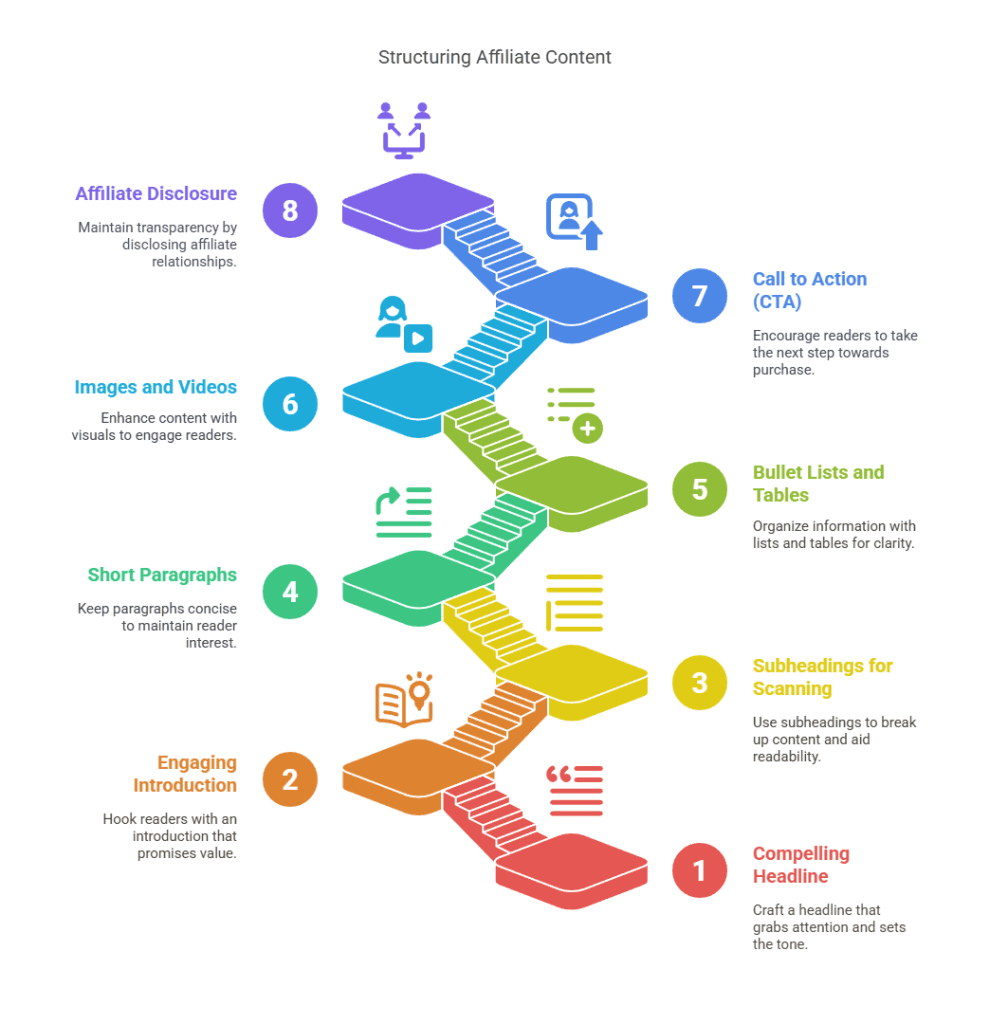
Content is more than words on a page. A solid structure guides readers smoothly from question to purchase.
- Compelling Headline
It must match search intent. E.g., “Tell Us About the Content You Create Amazon Affiliate: A Complete Guide.” - Engaging Introduction
Hook readers with a question or bold statement. Preview what they’ll learn. - Subheadings for Scanning
Use clear H2 and H3 tags. Readers often skim—make each section’s purpose obvious. - Short Paragraphs
Keep them to 2–3 sentences. Walls of text scare people away. - Bullet Lists and Tables
Those break up copy and highlight key points. - Images and Videos
Show products in use. Humanize your content. - Call to Action (CTA)
Place at least one CTA after a detailed section and another at the end. Use action verbs: “Grab Yours on Amazon.” - Affiliate Disclosure
Be transparent: “As an Amazon Associate, I earn from qualifying purchases.” Place this near the top.
Ask yourself after writing: Can a reader find what they came for in under 10 seconds? If not, restructure.
SEO Best Practices for Amazon Affiliate Content
Good writing alone won’t drive traffic. You need SEO basics to rank on Google.
- Keyword Research:
Use tools like Ahrefs or Ubersuggest. Target long-tail keywords such as “best wireless earbuds for running 2025”. - On-Page SEO:
- Include the primary keyword in the title, first paragraph, and subheadings.
- Use related terms (LSI keywords) naturally.
- Write descriptive alt text for images.
- Include the primary keyword in the title, first paragraph, and subheadings.
- Content Depth:
Google favors comprehensive articles. Cover every angle of your topic. Aim for 1,500+ words on core posts. - Internal Linking:
Link to your related posts. It helps SEO and keeps readers on your site longer. - Page Speed & Mobile-Friendliness:
Use a lightweight theme. Compress images. Over 60% of shoppers browse on mobile. - Schema Markup:
Add Review and Product schema. Stars and prices in search results increase click-through rates.
Remember: SEO isn’t a one-and-done task. Monitor traffic, update content, refresh stats, and adjust keywords every few months.
Monetization and Conversion Strategies
Beyond placing links, optimize them for clicks and conversions.
- Positioning of Links:
Integrate links contextually within the flow—after describing a key feature, insert “Check price on Amazon” anchor text. - Button CTAs vs. Text Links:
Buttons stand out. Test both: sometimes a bold button like Buy on Amazon converts better than a text link. - Urgency and Scarcity:
Use phrases like “Limited stock” or “Deal ends midnight” where genuine. Avoid fake urgency. - Comparison Tables:
When you place affiliate links in tables, readers can click directly from their preferred option. - A/B Testing:
Try different CTAs, link placements, and button colors. Small tweaks can boost commissions. - Email Follow-Ups:
Capture emails with a lead magnet (e.g., “Free eBook: 10 Affiliate Marketing Secrets”). Send product roundups with affiliate links. - Retargeting Ads:
Run low-cost Facebook ads retargeting readers who visited product pages but didn’t click links. Offer fresh reasons to buy.
Keep a spreadsheet of click-through rates and conversion rates. Identify your top posts and double down on what works.
Tools to Scale Your Amazon Affiliate Content Creation
As you grow, writing every post manually becomes a bottleneck. Consider automation tools:
- Keyword Research Tools: Ahrefs, SEMrush, KeywordTool.io
- SEO Plugins: Yoast SEO, Rank Math
- Content Calendars: Trello, ClickUp
- Outsourcing Platforms: Fiverr, Upwork
Manual effort is fine for a dozen posts. But what if you want 100? Or 1,000? That’s where an auto-blogging tool shines.
Introducing Affpilot AI
Imagine generating hundreds of Amazon affiliate posts in minutes. Affpilot AI makes it possible with:
- Effortless Content Creation: Professional review articles with minimal inputs.
- Real-Time Product Data: Automatically pulls updated features and specs directly from Amazon.
- SEO-Optimized Reviews: Articles crafted to rank higher and drive targeted affiliate traffic.
- Customizable Tone & Style: Match your brand voice across posts.
- Direct Publishing: One-click publish to WordPress or Blogger, including your affiliate links.
How Affpilot AI Works
- Log In & Select Feature
Choose “Amazon Review Article” from your dashboard. - Input Keywords or ASINs
Add your list of product keywords. - Customize Settings
Toggle API integration or “Write without API” for store ID setup. - Generate at Scale
Decide how many articles to create—up to 1,000 in one go. - Review & Publish
Scan AI drafts, tweak as needed, and hit “Publish.”
Benefits of Using Affpilot AI
- Time Savings:
Instead of spending hours per article, you generate dozens in minutes. - Consistency:
Every post follows best-practice structure and SEO guidelines. - Scalability:
Launch niche sites or expand existing ones without hiring large teams. - Higher Conversions:
Persuasive, data-driven reviews lead to more clicks and sales.
Affpilot AI is trusted by over 30,000 marketers worldwide. Ridwanul Firdous says, “Affpilot just surprised me. It’s the best AI writing tool I’ve seen. My content performs like a boom!”
How to Integrate Affpilot AI into Your Workflow
- Plan Your Content Calendar
List categories, keywords, and publishing dates. - Batch Keyword Research
Use SEMrush or Ahrefs to gather a list of 500–1,000 long-tail keywords. - Load into Affpilot
Paste keywords into Affpilot’s interface. Choose article count. - Review Outputs
AI generates SEO-ready drafts. Edit headlines, intros, and CTAs. - Publish & Promote
Push to WordPress with one click. Share on social media and email newsletters. - Monitor Performance
Track clicks, conversions, and rankings. Update posts as needed.
With this system, you can launch new niche sites in days, not months. Your audience gets fresh, helpful content, and you unlock a steady stream of affiliate income.
Conclusion
Creating content as an Amazon affiliate doesn’t have to be a guessing game. You know the types of posts that work—detailed reviews, helpful guides, quick comparisons, and engaging listicles.
You know the structure that keeps readers hooked: clear headings, short paragraphs, bullet points, and genuine personal experiences. You understand SEO basics, conversion tactics, and the power of transparency with disclosures.
Now, imagine multiplying that process by a hundred. That’s exactly what Affpilot AI lets you do. From pulling real-time product data to crafting SEO-optimized reviews and publishing them in one click, Affpilot AI turns solo efforts into a scalable content machine.
Whether you’re just starting or looking to grow an affiliate empire, this tool empowers you to focus on strategy and audience while it handles the heavy lifting of content creation.
Ready to scale smarter?
Start your free trial of Affpilot AI today and see how easy auto-blogging can be. Your next 1,000 Amazon affiliate articles are just a few clicks away.
Our Sample Article

Benefits of Meditation: Unlocking Peace and Productivity
Shahidujzaman Shahid · May 29, 2024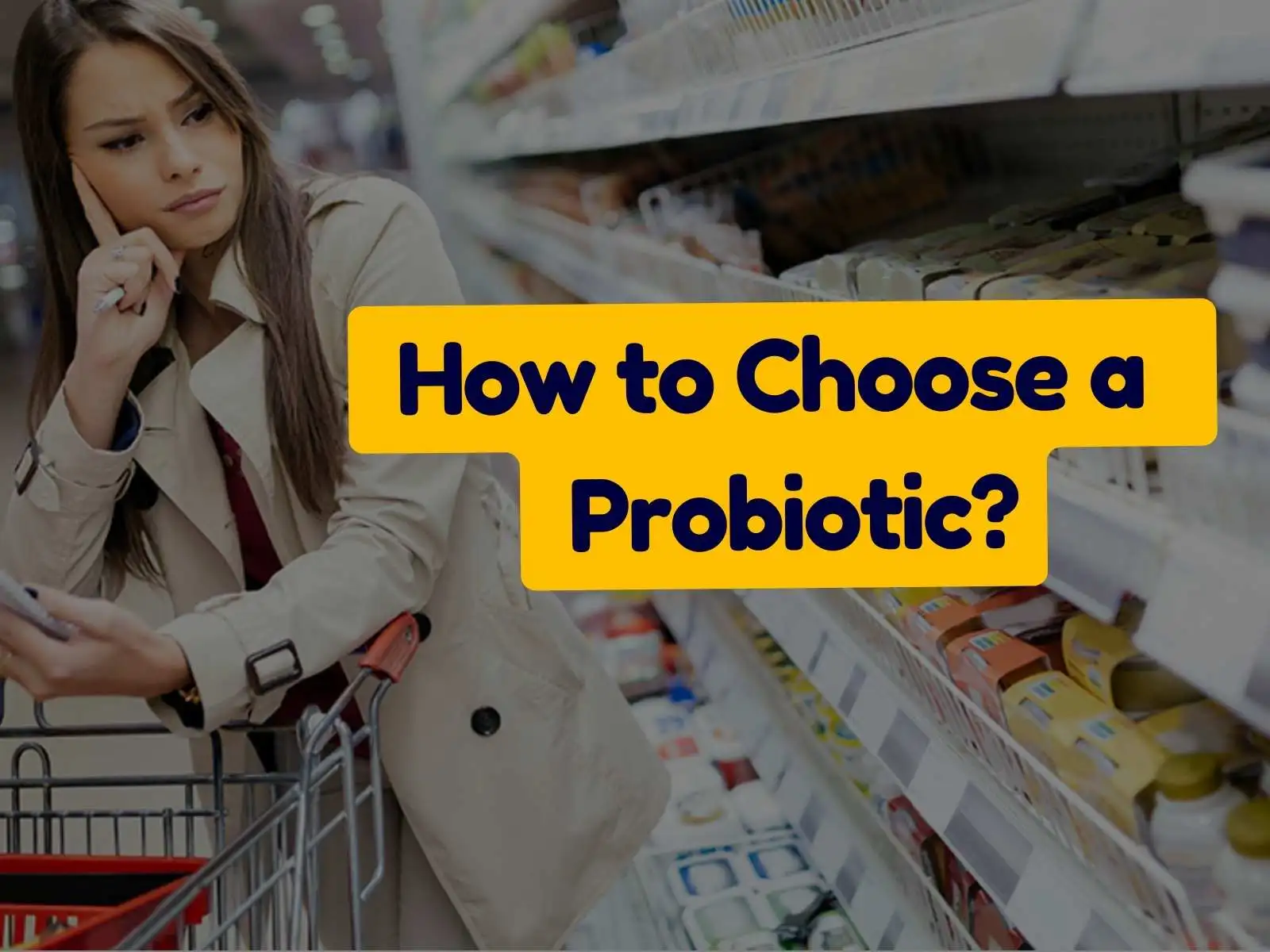
How to Choose a Probiotic: Your Essential Guide
Shahidujzaman Shahid · May 29, 2024
Why Does My Cat Keep Throwing Up? Uncover the Causes!
Shahidujzaman Shahid · May 29, 2024