
Bakery Business Plan Template: Recipe for Success!
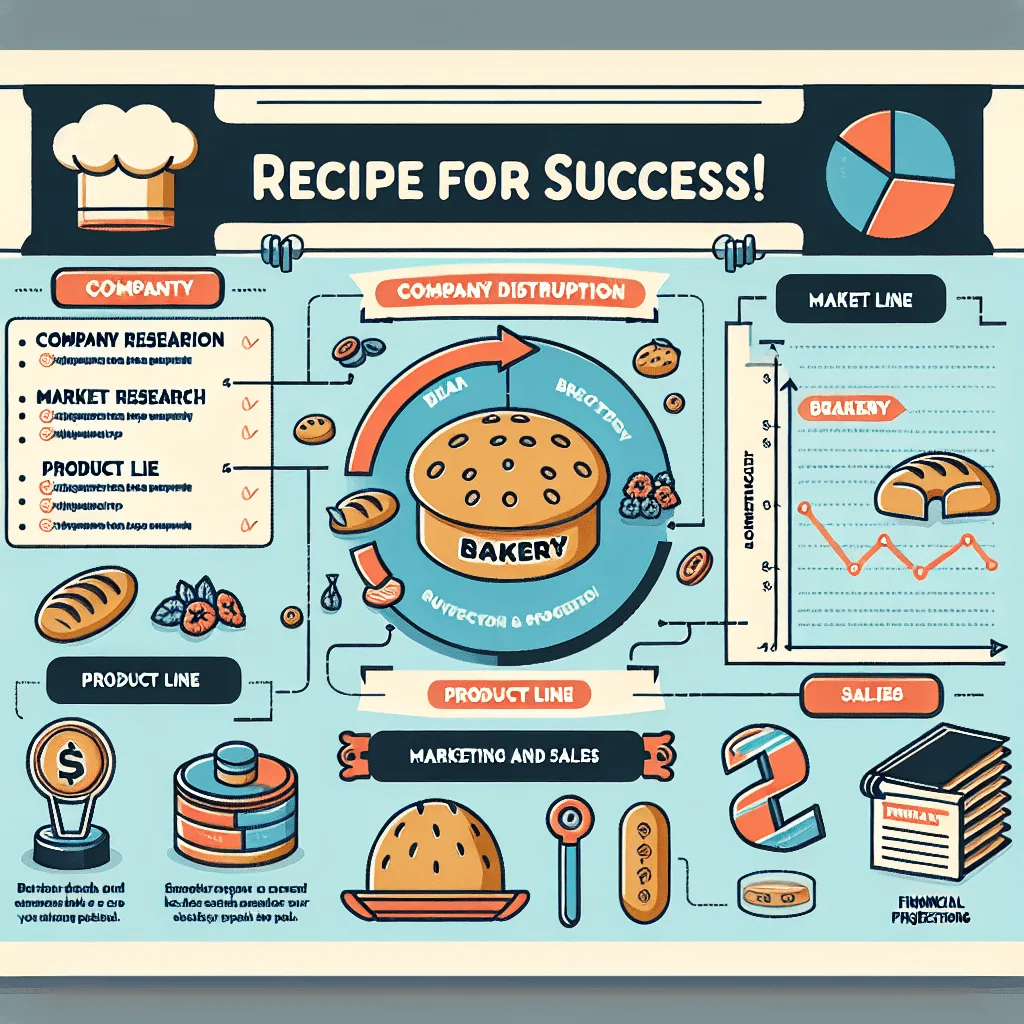
A Bakery Business Plan Template is a structured outline to help entrepreneurs launch their baking businesses. It includes key sections such as market analysis, product offerings, and financial projections.
Crafting a comprehensive bakery business plan is a crucial step for anyone aspiring to enter the bakery industry. This document serves as a roadmap for the business, outlining goals, strategies, and the steps needed to achieve success. It assists in clarifying your bakery’s vision, establishing objectives, and setting forth the methods to attract customers and generate revenue.
A well-thought-out plan not only guides the bakery owner through each stage of starting and managing the business but also is often required to secure financing from investors or lenders. With a robust business plan, bakery entrepreneurs can bake their way to success with confidence and precision.
Introduction To Bakery Business Planning
A bakery business plan is a blueprint for success. It maps out everything from your bakery’s identity to its financial projections. Whether you dream of opening a cozy corner shop or a bustling patisserie, your journey starts here. Crafting a clear and comprehensive plan will pave the way for a sweet future in the baking industry.
Why Start A Bakery?
The aroma of fresh bread and the joy of sweets make bakeries popular. They offer comfort and a taste of tradition. Starting a bakery taps into a profitable niche in the food industry. It also allows for creative expression and community connection. Baking is not just an art; it’s a business that feeds the soul and the economy.
Key Considerations Before Drafting Your Plan
Before you preheat your entrepreneurial oven, there are key ingredients to consider:
- Market Research: Understand local tastes and demand.
- Location Analysis: Choose a spot that attracts foot traffic.
- Competitive Landscape: Know your competition and how to stand out.
- Budgeting: Calculate startup costs and financial forecasts.
- Menu Development: Decide what baked goods to offer.
- Supply Chain: Source quality ingredients and reliable suppliers.
- Compliance: Meet health regulations and obtain necessary permits.
Each consideration ensures your bakery business plan is thorough and realistic. It’s the foundation for turning your bakery dream into a profitable reality.
Crafting Your Business Mission And Vision
Starting a bakery requires more than just recipes and ingredients. A clear mission and vision guide your business to sweet success. Let’s craft these crucial parts of your Bakery Business Plan Template.
Defining Your Bakery’s Mission
Your bakery’s mission is its heartbeat. It explains why your bakery exists and what it strives to achieve. This statement should be concise, powerful, and inspiring. Reflect on what drives your passion for baking and how you want to impact your community. Here’s how to define it:
- Think about your bakery’s core values.
- Focus on your target customers and their needs.
- Consider what sets your bakery apart from others.
Setting Clear And Achievable Vision Statements
A vision statement is a roadmap to the future. It outlines what you want your bakery to become. Crafting a vision statement involves looking ahead and setting goals. Follow these steps:
- Visualize your bakery in the future.
- Identify the milestones you aim to achieve.
- Write down your aspirations in clear, reachable terms.
Remember, your vision should motivate your team and remind them of the big picture. It’s the dream that everyone works towards.
Analyzing The Market
Before launching a bakery, understanding the market is crucial. This section dives into who will buy your products and who you are competing against.
Identifying Your Target Market
Knowing who your customers are helps tailor your products and marketing strategies. Here are steps to identify your target market:
- Demographics: Age, gender, income levels, and family status.
- Location: Will you target local neighborhood customers or a broader market?
- Preferences: Health-conscious eaters, sweet-tooths, or those with dietary restrictions.
Conduct surveys or use social media to gather insights about potential customers.
Competitor Analysis And Positioning
Understanding your competitors helps you find your unique spot in the market. Here’s how to analyze them:
- List Your Competitors: Note all local and significant competitors.
- Analyze Their Offerings: What products do they sell? What are their prices?
- Identify Their Strengths and Weaknesses: What are they good at? Where do they lack?
Create a table to compare your findings:
| Competitor | Products | Price Range | Strengths | Weaknesses |
|---|---|---|---|---|
| Bakery A | Cupcakes, Bread | $2 - $5 | Wide variety, good location | Limited dietary options |
| Bakery B | Cookies, Cakes | $3 - $20 | Custom orders, vegan options | Higher prices |
Position your bakery by offering something unique based on this analysis. Perhaps focus on organic ingredients or gluten-free products to stand out.
Developing Your Product Line
Embarking on a bakery venture requires a scrumptious product line that entices customers. Crafting a unique and appealing product line is the backbone of your bakery business plan. It sets the stage for your brand’s identity and draws in a loyal clientele. Let’s roll up our sleeves and knead through the process of developing your bakery’s product line.
Selecting Your Bakery’s Specialties
Your bakery’s specialties are the heart of your menu. They define your brand and attract customers. Focus on items that highlight your baking talents and passion. Consider the following:
- Local tastes and preferences - Cater to the flavors your community loves.
- Signature items - Create stand-out products that can’t be found elsewhere.
- Seasonal offerings - Rotate items based on the time of year to keep things fresh and exciting.
- Dietary options - Include gluten-free, vegan, or organic selections for diverse customer needs.
Menu Planning And Product Pricing
Constructing a menu involves balancing creativity with cost. Keep your menu manageable with a mix of staple items and seasonal specials. Here’s how to price your products:
- Cost Analysis - Determine the cost of ingredients and time for each item.
- Market Research - Check competitors’ prices to ensure your pricing is competitive.
- Value Perception - Price items based on perceived value to the customer.
Remember, your pricing should cover costs, labor, and allow for a healthy profit margin.
Choosing The Right Location
The success of your bakery hinges on where you plant your roots. A strategic spot does more than just attract customers. It becomes part of your brand’s charm. Let’s delve into the key elements that will help you pinpoint the perfect location for your dream bakery.
Factors To Consider For Site Selection
Site selection is critical for any bakery business. Think of it as the foundation of your bakery’s success. Here are the top factors to weigh in:
- Foot Traffic: Busy areas mean more potential customers.
- Accessibility: Easy for customers to enter and exit.
- Visibility: A spot that catches the eye.
- Competition: Know your neighbors and how you’ll stand out.
- Demographics: Align with your target market’s profile.
- Parking: Ample space for customers who drive.
- Cost: Aligns with your budget without compromising quality.
Benefits Of An Optimal Location
Selecting an optimal location offers multiple advantages:
| Benefit | Description |
|---|---|
| Higher Footfall | More passersby can lead to more sales. |
| Brand Visibility | Your bakery becomes a local landmark. |
| Competitive Edge | Stand out in the right location. |
| Customer Loyalty | Convenience breeds repeat business. |
Marketing Strategies For Your Bakery
Baking success into your business requires a delicious marketing plan. Let’s knead through strategies to make your bakery the talk of the town.
Building A Brand Identity
Your bakery’s brand is its flavorful fingerprint in the market. It’s what sets you apart. A robust brand identity resonates with customers, creating loyalty and recognition.
- Choose a catchy name that sticks like dough to fingers.
- Design a logo that mirrors your bakery’s heart and soul.
- Pick a color scheme that reflects your bakery’s mood and menu.
- Create a tagline that sums up your bakery’s essence in a bite-sized phrase.
- Showcase your brand consistently across all materials and platforms.
Effective Promotional Tactics
With the right promotions, the scent of your success will waft far and wide. Engage customers and drive sales with tactics as tempting as your treats.
| Tactic | Benefit |
|---|---|
| Social Media Contests | Builds engagement and spreads word-of-mouth |
| Loyalty Programs | Encourages repeat visits and rewards customers |
| Sampling Events | Introduces new flavors and gathers feedback |
| Email Newsletters | Keeps customers informed and interested |
| Local Partnerships | Expands reach and builds community connections |
- Host classes to teach baking and showcase your expertise.
- Offer discounts during special occasions or off-peak hours.
- Collaborate with local businesses for cross-promotion opportunities.
Operational Plan And Logistics
An effective bakery business plan isn’t just about delicious recipes and enticing storefronts. It’s also about the precise operations and logistics that keep the daily workflow smooth and cost-effective. Understanding the Operational Plan and Logistics is like knowing the recipe for success, ensuring every ingredient and step leads to mouthwatering results.
Daily Operations Workflow
Running a bakery requires a well-organized daily routine. From preheating ovens to closing the register, every task matters. A structured workflow ensures customers always enjoy fresh pastries and bread. Here’s how a typical day might unfold:
- Early Morning: Bakers arrive to mix dough, bake bread, and prepare pastries.
- Mid-Morning: Display cases fill with the day’s selections.
- Afternoon: Staff clean and restock while serving customers.
- Evening: Final sales wrap up as the bakery prepares to close.
Supplier And Inventory Management
Knowing what you need and when you need it is crucial for a thriving bakery. This involves coordinating with suppliers and keeping a tight inventory. Track your essentials with a system that alerts you to reorder before you run out:
| Item | Supplier | Reorder Level |
|---|---|---|
| Flour | ABC Millers | 50 bags |
| Sugar | Sweet Supply Co. | 30 bags |
| Eggs | Farm Fresh Eggs | 10 crates |
Organize your inventory with tags for easy access. Keep perishables fresh, and rotate stock regularly. Build strong relationships with suppliers for reliable deliveries and quality ingredients.
Financial Planning And Projections
Embarking on a bakery business requires a sweet blend of passion and prudence. Financial planning and projections form the backbone of any business plan. They map out the financial future of your bakery, helping you understand the initial costs, identify funding sources, and forecast sales alongside managing expenses. A well-crafted financial plan ensures your bakery’s growth is steady and sustainable.
Initial Investment And Funding Sources
Knowing the initial investment needed for your bakery is critical. This includes costs for equipment, ingredients, rent, and licenses. Here’s a breakdown:
- Ovens and mixers: Essential for daily operations
- Quality ingredients: Foundation for delicious products
- Rent for space: Monthly fixed cost
- Licensing fees: Legal requirements to operate
Funding sources can vary:
- Personal savings
- Bank loans
- Investor capital
- Small business grants
Forecasting Sales And Managing Expenses
Forecasting sales is like reading a crystal ball with data. It helps you predict revenue and plan for the future. Use past sales data, market trends, and seasonal fluctuations to make accurate predictions.
Managing expenses is just as important. Keep a close eye on:
- Cost of goods sold (COGS): Direct costs to make your baked goods
- Operational costs: Utilities, staff wages, and marketing
- Unexpected costs: Repairs or equipment upgrades
By balancing your sales forecast with a detailed expense plan, you can ensure profitability and financial health for your bakery.
Legal And Regulatory Compliance
Legal and Regulatory Compliance is a crucial step in creating a solid foundation for your bakery business. Understanding and adhering to the laws keeps your bakery on the right side of the law. Let’s navigate through the maze of paperwork and ensure your bakery rises to the top without any legal hiccups.
Necessary Licenses And Permits
Before your ovens heat up, it’s vital to secure the right licenses and permits. Each location has unique requirements. Here’s a checklist to get you started:
- Business License: The official pass to operate.
- Food Service License: Permission to handle and serve food.
- Health Department Permit: A must-have for food safety.
- Sales Tax Permit: For collecting tax on sales.
- Sign Permit: If you plan to put up a sign.
Contact your local government for a full list of required documents.
Health And Safety Regulations
Your customers’ well-being is top priority. Comply with health and safety regulations to ensure everyone enjoys your treats without risk. Key points include:
- Regular health inspections.
- Proper food handling courses for staff.
- Clean and sanitized workspaces.
Stay updated with the latest food safety laws to keep your bakery safe and compliant.
Setting Up For Success
Starting a bakery requires careful planning. The ‘Setting Up for Success’ phase is crucial. It ensures smooth operations from day one. This section covers two key areas: Hiring and Training Staff and Customer Service Essentials.
Hiring And Training Staff
Building a skilled team is vital. Here are steps to ensure you hire the right people:
- Define the roles clearly: Know what skills each job needs.
- Choose passion and reliability over just experience.
- Use a structured interview process to assess candidates fairly.
Once hired, focus on training:
- Provide detailed product knowledge, so staff can advise customers effectively.
- Teach customer interaction skills.
- Ensure safety protocols are understood and followed.
Customer Service Essentials
Excellent customer service sets your bakery apart. Keep these points in mind:
- Greet customers warmly to make them feel welcome.
- Respond quickly to inquiries, whether in person or online.
- Handle complaints gracefully to turn unhappy customers into loyal ones.
Train your team to:
| Task | Importance |
|---|---|
| Listening actively | Essential for understanding customer needs |
| Following up | Shows care and commitment |
Remember, positive experiences encourage repeat visits.
Conclusion
Crafting the perfect bakery business plan is a key ingredient for sweet success. With our comprehensive template, you’re one step closer to turning your dream into a thriving reality. Remember, a solid plan is your recipe for a profitable bakery that rises above the rest.
Start baking your business story today!
Our Sample Article

Benefits of Meditation: Unlocking Peace and Productivity
Shahidujzaman Shahid · May 29, 2024
How to Choose a Probiotic: Your Essential Guide
Shahidujzaman Shahid · May 29, 2024
Why Does My Cat Keep Throwing Up? Uncover the Causes!
Shahidujzaman Shahid · May 29, 2024