
Can I Buy From My Own Amazon Affiliate Link?
Many affiliates ask this common question: Can I buy from my own Amazon affiliate link?
The answer is simple.
You cannot earn commission on orders placed through your own affiliate links. Amazon has clear rules about this.
In plain language, here is what you need to know.
What Are Amazon Affiliate Links?
An Amazon affiliate link is a special URL. It carries your unique tracking code. When someone clicks your link and makes a purchase, you earn a commission. Your commission comes from new customer referrals. This is how the Amazon Associates Program works.
- Tracking Code: Your link has a “tag=” that shows it is yours.
- Referral Earnings: You earn when new people buy on Amazon.
- Transparency: Your readers or customers can see that a link is affiliate in nature.
Affiliate links help Amazon credit you with the sale. But the rules are strict when it comes to buying products yourself.
What Do the Rules Say?
Amazon clearly states that you do not get paid for purchases made through your own affiliate links. This rule applies in many ways:
- Personal Orders: If you buy something for yourself.
- Friends and Family Orders: If your relatives or friends use your link.
- Customer Orders: If you place orders on behalf of customers.
The program is built to reward you for bringing in new customers, not for personal use or for orders from people you know. Because the program is an advertising program, your commission comes only when you refer a new customer.
Here’s a summary:
- No Self-Referral Earnings: You cannot earn commission on your own purchases.
- No Orders for Your Close Associates: This includes friends, relatives, and associates.
- New Customer Referrals Only: Your earnings come from bringing in new Amazon shoppers.
For more details, see Operating Agreement Section 7 (check Amazon’s official guidelines).
Why Does Amazon Have This Rule?

Amazon designed its Associates Program as an advertising program, not a discount program. The main goal is to bring in new customers. Here’s why the rule exists:
- Fair Advertising: The program rewards you for helping Amazon get new buyers.
- No Double-Dipping: If you buy through your own link, you are taking advantage of your own referral.
- Protecting the System: The rule prevents misuse, where someone might repeatedly use their own link to earn commission without actually advertising to new customers.
In short, if you use your own affiliate link to buy a product, you do not get paid a commission. This rule helps keep the system fair.
How Does Amazon Detect Ineligible Orders?

Amazon uses a range of methods to detect ineligible orders. We do not share the full list of details because the system is proprietary. However, the basics are simple:
- Detection of Personal Orders: Amazon has tools to identify if an order was personal.
- Tracking the Source: The system checks the buying patterns and source of the purchase.
- No Commission: Orders flagged as personal will not earn you a commission.
The method is technical and secret. Its purpose is to prevent abuse of the system. Therefore, even if you think you might be in a grey area, Amazon will not pay commission on those orders.
Do’s and Don’ts: How to Stay in Compliance
To stay on the good side of Amazon, follow these clear tips:
Do’s
- Follow the Rules: Read the Amazon Associates Operating Agreement. Make sure you understand the guidelines.
- Refer New Customers Only: Use your affiliate links to direct people who are not already your friends or family.
- Be Transparent: Clearly let your audience know that you earn a commission on referred sales.
- Monitor Your Links: Check regularly that your links are set up properly using Amazon’s tools.
Don’ts
- Do Not Buy for Yourself: Do not use your own affiliate links for personal purchases.
- Avoid Encouraging Close Associates: Do not ask friends, relatives, or colleagues to purchase regularly through your link.
- Do Not Try to Circumvent the System: Do not use tricks to hide the fact that the order is personal.
- Do Not Edit Affiliate Codes: Always use the correct, unaltered affiliate tracking code provided by Amazon.
Common Questions About Buying From Your Own Link
Many affiliates have questions. Below are answers to some frequently asked questions in plain language:
Q: Can I make a purchase for my own use through my affiliate link?
A: No. Amazon will not pay you a commission for purchases that are for you.
Q: What if a friend or family member buys a product through my link once in a while?
A: Amazon does not pay commission if the order is considered personal. Regular or routine orders by friends or family may be flagged as ineligible.
Q: What is the reason behind this rule?
A: The program is an advertising program. Commission is meant for referring new customers, not for buying for yourself or your circle.
Q: Can this rule change?
A: The rules are set by Amazon. They are outlined in the Operating Agreement. It is best to stay updated with any changes to the guidelines.
Best Practices for Affiliates
Keeping clear practices is key to long-term success in affiliate marketing. Here are some best practices:
- Stay Honest: Always disclose that your posts contain affiliate links. Honesty builds trust.
- Focus on Value: Create content that helps your readers solve a problem or learn something new.
- Direct New Customers to Amazon: Use your links to drive traffic to new customers. Do not use them for personal gain.
- Regularly Review Amazon Policies: The guidelines can change. Ensure you always comply with the most recent rules.
Real-Life Scenarios
Let’s look at some examples to illustrate the rule in simple terms.
Scenario 1: Personal Purchase
Imagine you find a gadget you like on Amazon. You consider buying it through your own link to get a commission bonus. The rule is clear: if you buy it yourself, Amazon will not pay you any commission. The link is there only to help you refer new customers.
Scenario 2: Friend’s Purchase
Suppose a close friend asks for your help to buy a product. You send your affiliate link to your friend. If your friend buys the product, you might think you earn commission. But if Amazon detects that this is a personal referral (for example, if this happens repeatedly), they may not pay you. The idea is that your link should attract new customers, not serve those who already know you.
Scenario 3: Bulk Orders
Some may try to order products in bulk using their affiliate links. This is not allowed. Amazon sees bulk self-orders as a way to misuse the program. They reserve the right to remove the commission on those orders.
These scenarios show why the rules are in place. The focus is on attracting new customers rather than rewarding self-purchases.
Consequences of Violating the Rules
Breaking the rules can have serious consequences. Here’s what might happen if you use your own link for personal orders:
- Loss of Commission: You won’t earn any commission on self-placed orders.
- Account Suspension: If Amazon detects repeated misuse, your affiliate account may be suspended.
- Legal and Compliance Issues: Violating the terms may lead to further actions from Amazon.
The Role of Transparency in Affiliate Marketing
Transparency is key in building trust with your audience. Always be clear about how your affiliate links work. Here’s what you can do:
- Disclosure Statements: Place a simple note on your website. For example: “I earn a commission if you buy through my affiliate link. This does not affect the price you pay.”
- Clear Navigation: Make sure readers know when they are clicking an affiliate link.
- Honest Reviews: Write reviews based on genuine experience, not just for earning commissions.
Tools to Help Manage Your Affiliate Marketing

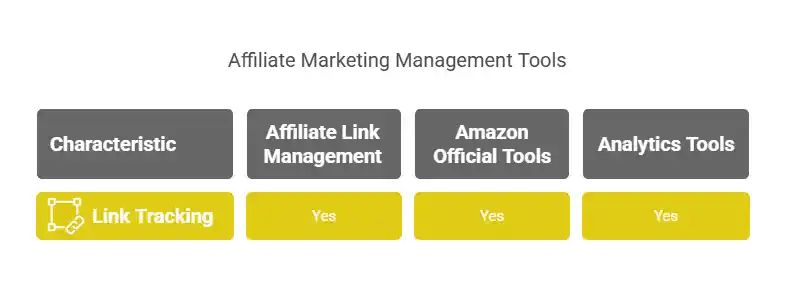
Keeping track of your links and ensuring compliance can be challenging. Using digital tools can help. Some tools to consider include:
- Affiliate Link Management Tools: These tools help you track your affiliate links. They make it easy to see which links are working and which are not.
- Amazon’s Official Tools: Use SiteStripe and the Product Advertising API. These tools ensure that your links are set up correctly.
- Analytics Tools: Tools like Google Analytics help you monitor your clicks and conversion rates.
How to Avoid Self-Referral Problems
When you set up your affiliate marketing, avoiding self-referral problems is important. Here are steps to avoid them:
- Never Use Your Own Link for Personal Purchases: Always use regular links when browsing Amazon.
- Do Not Encourage Close Associates to Buy Regularly: Ask your close friends and family not to use your affiliate links routinely.
- Use Testing Tools: Check your links with tools that confirm the presence of the “tag=” parameter.
- Keep Your Activities Separate: For example, use different devices or sessions if you need to test your affiliate setup without interfering with personal orders.
Frequently Asked Questions
Below are some FAQs written in simple language to help clarify your doubts.
Q: Can I buy something for myself using my own affiliate link?
A: No. Amazon will not pay commission for your own orders.
Q: What if a friend or family member uses my link once?
A: Occasional purchases may happen. However, if this becomes routine, those orders may be flagged as self-referrals and will not earn commission.
Q: Does this rule apply to every order?
A: Yes. It includes orders made by you, on behalf of customers, or even friends and relatives.
Q: Why does Amazon have this rule?
A: Because the program is meant to reward bringing in new customers. It is an advertising program, not a discount program.
Q: Can I see the full criteria used by Amazon?
A: No, Amazon keeps these details private due to the proprietary nature of the system.
These FAQs can help you understand the boundaries of the program.
Best Practices for Staying in Compliance
Here are some simple tips to follow:
- Always Use Official Affiliate Tools: Stick to Amazon’s SiteStripe and API options.
- Monitor Your Orders: Regularly check your order reports to ensure there are no self-referrals.
- Educate Your Audience: Let readers know how affiliate links work and why you do not earn commission on your own purchases.
- Review Amazon’s Policies: Stay updated with Amazon’s Operating Agreement, especially Section 7.
- Be Honest in Your Content: Clearly state the rules to your audience.
How to Handle Questions About This Rule
It is common for new affiliates to ask questions like, “Why am I not paid if I use my link for my order?” When answering, be clear:
- Tell them that the Amazon Associates Program is designed to bring new customers.
- Explain that the rules are in place to prevent misuse.
- Share that even occasional self-referrals do not earn commission.
- Remind them that the rule is outlined in the Operating Agreement (Section 7).
Summary: What You Need to Know
Let’s wrap it up with some simple points:
- No Personal Earnings: You cannot earn commission on orders you place yourself.
- No Earnings for Friends/Family Orders: Routine orders by people you know are also not eligible.
- Program Purpose: The goal is to get new customers to Amazon.
- Strict Rules: Amazon keeps the criteria for detecting ineligible orders private.
- Follow the Guidelines: Read the Operating Agreement and use approved tools.
Final Thoughts
The short answer to “Can I buy from my own Amazon affiliate link?” is: No, you cannot earn commission on your own orders. This rule is part of Amazon’s policy to ensure that the Associates Program remains an advertising tool that rewards new customer referrals. It is not a discount program.
The system is in place to prevent any abuse. Amazon’s methods to detect ineligible orders remain confidential. However, the idea is simple: your earnings come only from bringing in new customers, not from orders that come from you or those close to you.
Following these rules is key to building a trusted and successful affiliate business. Staying compliant protects your account and ensures your hard work is rewarded only when you help Amazon reach new buyers.
Your Next Steps
Now that you have a clear understanding, here is what to do next:
- Review Your Affiliate Setup:
Ensure your methods follow the rules. Check all your affiliate links for proper usage. - Educate Your Team and Associates:
If you work with others, make sure they know not to use your affiliate links for personal or routine orders. - Stay Updated:
Regularly read Amazon’s Operating Agreement and guidelines. Policies can change, and you need to stay current. - Practice Transparency:
Always disclose your affiliate relationships to build trust with your audience. - Focus on New Customer Referrals:
Build your content to attract new visitors to Amazon, not to capitalize on personal orders.
Taking these steps ensures you grow your affiliate business correctly and ethically.
Wrapping Up
To sum up, buying products through your own Amazon affiliate link does not earn you any commission. This rule exists to promote fairness and encourage the referral of new customers. Always use the approved methods to set up your links, stay transparent, and follow Amazon’s guidelines.
By keeping things simple and honest, you build a foundation of trust with both Amazon and your audience. Remember, the core goal of the Associates Program is to introduce new customers to Amazon. When you focus on that, your efforts will be more rewarding in the long run.
Your success in affiliate marketing is built on clear and ethical practices. Make sure every step you take respects Amazon’s rules. This protects your account and helps maintain the high standards of the program.
Now that you know the answer and have clear guidelines, you can plan your next moves confidently. Focus on creating content that attracts new buyers and leave self-referrals out of the equation.
Are you ready to keep growing your affiliate marketing business the right way? Use Affpilot AI tool to write and publish professional product round ups with your affiliate link embedded in your website.
Our Sample Article

Benefits of Meditation: Unlocking Peace and Productivity
Shahidujzaman Shahid · May 29, 2024
How to Choose a Probiotic: Your Essential Guide
Shahidujzaman Shahid · May 29, 2024
Why Does My Cat Keep Throwing Up? Uncover the Causes!
Shahidujzaman Shahid · May 29, 2024