
Email Subject Line Best Practices: Craft Irresistible Hooks!
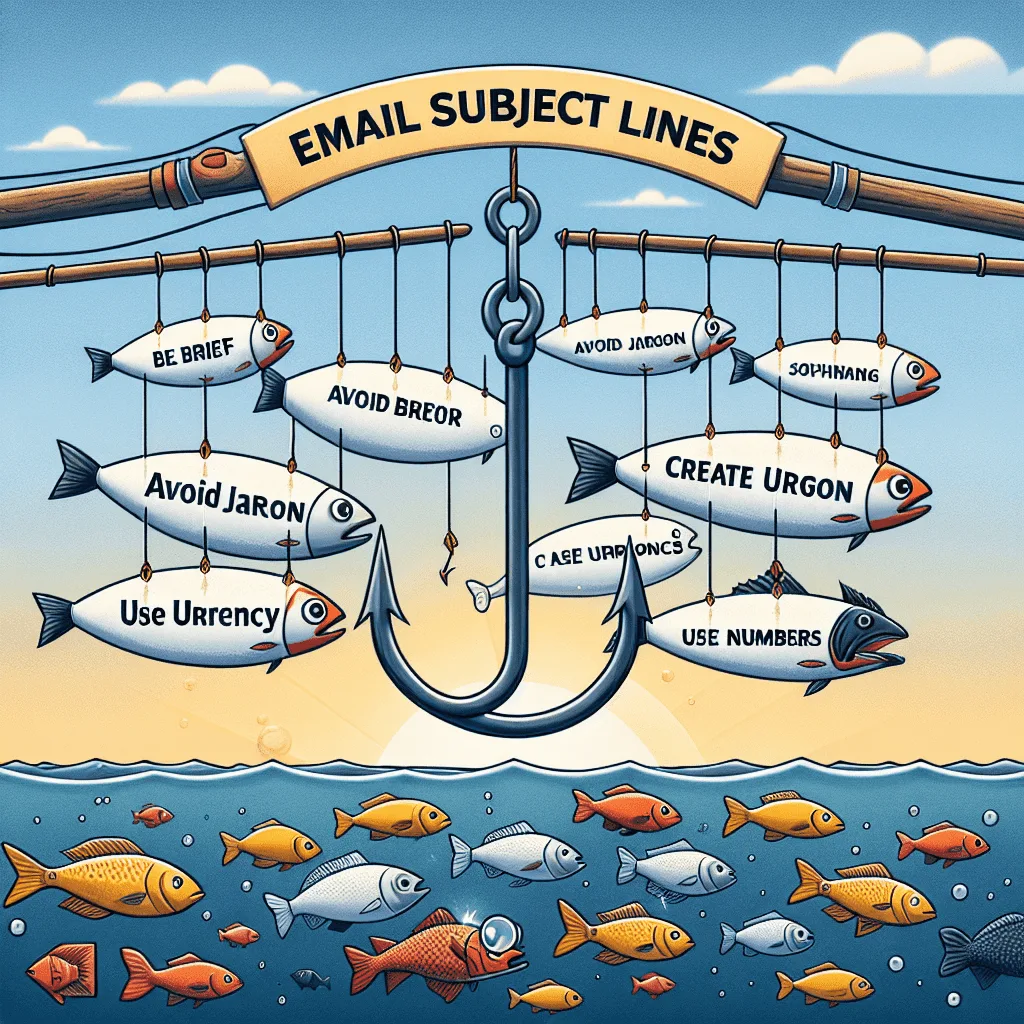
Craft email subject lines that are clear and engaging to boost open rates. Aim for brevity, relevance, and a touch of personalization.
Crafting compelling email subject lines is crucial for successful email marketing campaigns. These short phrases are the first impression your email makes and often determine whether it gets opened or ignored. A well-crafted subject line should be concise, conveying the email’s essence without overwhelming the reader.
It’s the hook that entices recipients to delve deeper into your message. To maximize open rates, subject lines must resonate with the audience, offering them a clear benefit or sparking curiosity. Tailoring the subject line to the recipient’s interests or previous interactions can significantly enhance its effectiveness. In the competitive space of an inbox, where numerous emails vie for attention, those with the most thoughtfully constructed subject lines stand out and ultimately achieve better engagement.
The Power Of The Subject Line
The Power of the Subject Line shapes your email campaign’s success. It’s the first interaction recipients have with your message. A compelling subject line can drastically increase your email’s open rates, directly influencing your campaign’s effectiveness.
First Impressions Count
Subject lines are the front door to your digital content. They must entice and intrigue while remaining concise. A well-crafted subject line acts like a handshake, setting the tone for the conversation.
- Keep it short: Aim for 50 characters or less.
- Use numbers: They often increase open rates.
- Ask questions: Spark curiosity and engagement.
The Gateway To Your Email Content
The subject line is a pivotal gateway. It decides whether an email gets opened or ignored. Crafting an effective subject line is crucial for ensuring your content is seen.
Here are proven tips:
- Personalize when possible. It feels more relevant.
- Use action verbs to create urgency.
- Avoid spammy words like ‘free,’ ‘help,’ ‘percent off.’
| Tip | Description | Example |
|---|---|---|
| Personalize | Include recipient’s name or relevant details. | ”John, see what’s new today!” |
| Use Numbers | Numbers draw attention and add specificity. | ”Top 10 Strategies for 2023” |
| Ask Questions | Engage readers by sparking curiosity. | ”Have you tried these new features?” |
Crafting The Perfect Hook
Crafting the Perfect Hook in your email subject lines is crucial. It grabs attention and boosts open rates. Let’s explore how to make your email irresistible right from the subject line.
Personalization Wins
Personalizing your email subject lines can make a big difference. Using the recipient’s name is a simple way to do this. Here’s why personalization matters:
- It makes the email feel special.
- Increases the chance of the email being opened.
- Builds a connection between you and the reader.
Clarity Over Cleverness
Always choose clear subject lines over clever ones. Your main goal is to make sure recipients know what to expect inside the email. Here’s how clarity beats cleverness:
- Clear subject lines set the right expectations.
- They reduce confusion and increase trust.
- Help recipients decide quickly to open the email.
By focusing on these strategies, your emails will not only stand out in crowded inboxes but also spark the interest of your recipients, leading to higher engagement rates.
Length Matters
Crafting the perfect email subject line is an art. It’s the first thing recipients see, and it determines whether they open the email or not. Length matters in subject lines. Let’s explore the best practices to keep subject lines snappy and effective.
Optimal Character Count
The ideal length for an email subject line is between 30 and 50 characters. This range is long enough to convey a clear message while short enough to grab attention. Here’s why keeping it concise is crucial:
- Attention spans are short; concise subject lines get to the point faster.
- Most people scan their inboxes quickly, and shorter subject lines stand out.
- Email clients may cut off longer subject lines, hiding important details.
Table 1 shows the optimal character count for different email clients:
| Email Client | Optimal Character Count |
|---|---|
| Outlook | 25-30 |
| Gmail | 50-60 |
| Yahoo Mail | 30-40 |
| Apple Mail | 30-50 |
Mobile-friendly Subject Lines
With over half of emails opened on mobile devices, subject lines must be mobile-friendly. Here’s how to ensure they look great on small screens:
- Keep it under 30-40 characters for the best mobile display.
- Place the most important words at the beginning of the subject line.
- Test subject lines on different devices to ensure readability.
An effective mobile-friendly subject line means more opens, more reads, and more responses. Adapt subject lines for mobile users and watch your engagement grow.
The Art Of Curiosity
The Art of Curiosity is a powerful tool in crafting email subject lines that grab attention. It taps into the natural human instinct to learn more about the unknown. To create subject lines that stand out in a crowded inbox, invoking curiosity can lead to higher open rates. Let’s explore how to harness this technique effectively.
Leveraging Questions
Questions in subject lines prompt readers to seek answers. They spark intrigue and encourage subscribers to open emails out of sheer curiosity. Here’s how to use questions effectively:
- Keep them open-ended: Avoid yes/no questions. Opt for those that require a bit more thought.
- Relate to the reader: Ask something relevant to your audience’s interests or pain points.
- Stay concise: Short, snappy questions often have a bigger impact.
Creating A Sense Of Urgency
Urgency compels action. When used in email subject lines, it can drive subscribers to open emails promptly. Here are tips for crafting urgent subject lines:
- Time-sensitive language: Use phrases like “Last chance” or “Hurry” to indicate limited time.
- Scarcity: Highlight limited availability to create a fear of missing out.
- Immediate benefit: Suggest that quick action will result in a reward.
Avoiding The Spam Trap
Enticing recipients to open your email can be a fine art, but it’s crucial to ensure your carefully crafted subject lines don’t trigger spam filters. Spam traps are set to catch certain phrases and patterns, so knowing how to bypass these filters is essential for successful email marketing.
Trigger Words To Avoid
Spam filters are on the lookout for certain words that are often associated with unsolicited and unwanted emails. To keep your emails landing in the inbox, here are words to steer clear of:
- Free
- Guarantee
- No risk
- Urgent
- Winner
Using these words might send your message straight to the spam folder, so use them sparingly or find creative alternatives.
Compliance With Email Regulations
To avoid spam filters, your emails must comply with regulations like the CAN-SPAM Act. This act sets rules for commercial emails:
| Rule | Description |
|---|---|
| Accurate Headers | Use real email addresses and names. |
| Subject Line | The subject must reflect the content. |
| Opt-Out | Provide a clear way to unsubscribe. |
Following these guidelines not only keeps you legal but also builds trust with your recipients.
Testing And Refining
Email marketing success often hinges on the subject line. It’s the first thing recipients see. A compelling subject line can make the difference between an email that’s opened and one that’s ignored. Testing and refining those subject lines is a crucial step in this process. By continually evaluating what works and what doesn’t, marketers can increase their open rates and overall campaign effectiveness.
A/b Testing Subject Lines
A/B testing, also known as split testing, is a method to discover the most effective subject lines. It involves sending two variations of a subject line to a small segment of your email list. Half receive version A, the other half get version B. The subject line that yields the higher open rate wins and is then used for the wider audience. You can also use Gmail Accounts to Warmup your Campaign as well.
- Keep changes minimal to measure effectively.
- Test different elements like personalization, urgency, or offers.
- Use a significant sample size to ensure reliable results.
Analyzing Open Rate Metrics
After conducting A/B tests, it’s essential to analyze the open rate metrics. Open rates reveal how many people opened your email, offering insight into the subject line’s performance. Look for patterns in the data to understand what resonates with your audience.
| Subject Line | Open Rate | Sample Size |
|---|---|---|
| Exclusive Offer Inside! | 22% | 1,000 |
| Last Chance: Save 20% on Your Order | 26% | 1,000 |
Remember to consider other factors that might impact open rates. These include the time of day, the day of the week, and the email’s relevance to the recipient. Use this data to refine future campaigns for better performance.
Emojis In Subject Lines
The use of emojis in email subject lines has become a colorful trend that can catch a subscriber’s eye in a crowded inbox. With the right approach, emojis can enhance the appeal and context of your message. They can convey emotions and ideas succinctly, potentially increasing your email open rates.
When To Use Emojis
Emojis resonate with readers when used appropriately. They work best for:
- Informal and casual emails: They add a playful touch.
- Special occasions: Holidays or events can have themed emojis.
- Brand personality: If your brand is fun and youthful, emojis fit well.
Consider your audience before adding emojis. They may not suit professional or serious messages. Always test different emojis to see which ones improve your open rates.
Choosing The Right Emojis
Selecting the perfect emoji can enhance your message. Follow these tips:
- Relevance: Ensure the emoji matches the email content.
- Clarity: It should be clear and easily understood at a glance.
- Compatibility: Check if emojis display correctly on different devices.
Use a limited number of emojis to avoid clutter. Stick to one or two that directly relate to your message. This approach keeps the focus on the subject.
| Email Type | Recommended Emoji |
|---|---|
| Birthday Offer | 🎉 |
| Travel Deals | ✈️ |
| Food Newsletter | 🍔 |
Timing Your Send
Crafting an attention-grabbing email subject line is just the beginning.
Sending your email at the right time could make a big difference in open rates.
Let’s dive into when you should hit ‘send’ to maximize your email impact.
Best Days To Send Emails
Studies show certain days yield better email engagement.
Midweek days, like Tuesday and Thursday, are top performers.
Many avoid Mondays due to the start-of-week rush and Fridays due to the weekend wind-down.
- Tuesday: Peak engagement, great for newsletters.
- Thursday: Second-best, ideal for follow-ups.
- Wednesday: A solid midweek choice for most emails.
Time Of Day Impact
The right time of day can be as crucial as the right day.
Optimal times are 10 AM for morning check-ins, 1 PM for post-lunch reads,
and 6 PM for evening catch-ups.
| Time of Day | Why It Works |
|---|---|
| 10 AM | Mid-morning, when inboxes are less crowded. |
| 1 PM | Post-lunch, for those digesting their meals and emails. |
| 6 PM | Evening, as people unwind and check personal emails. |
Conclusion
Crafting compelling email subject lines is an art that blends creativity with strategy. Remember, the key to unlocking high open rates lies in clarity, relevance, and personalization. Keep testing different approaches and monitor your metrics to continuously refine your technique.
Embrace these practices, and watch your engagement soar.
Our Sample Article

Benefits of Meditation: Unlocking Peace and Productivity
Shahidujzaman Shahid · May 29, 2024
How to Choose a Probiotic: Your Essential Guide
Shahidujzaman Shahid · May 29, 2024
Why Does My Cat Keep Throwing Up? Uncover the Causes!
Shahidujzaman Shahid · May 29, 2024